Aboriginal and Torres Strait Islander Health
Our Services
- Family Health
- Mental Health
- Women Health
- Immunisation
- Men Health
- Travel Medicine
- Sports Medicine
- Chronic Disease & GP Managed Care Plans
- Children Health Check
- Health Assessments
- Occupational Medicine & WorkCover / Work Injury Consultations
- Pathology & Allied health service
- Iron Deficiency Assessments
- Aboriginal and Torres Strait Islander Health
- Skin Cancer Checks & Excisions
- Weight Loss Consultations
- Wound Care
- Coordinated Veterans’ Care (CVC) Program
- Children Vaccination
- Telehealth Appointments
- Other Services
Request an appointment
Easily schedule your visit online or call us today to book your appointment.Call Now: 02 6541 9854Book Online
Aboriginal and Torres Strait Islander Health: Understanding, Respect, and Better Care
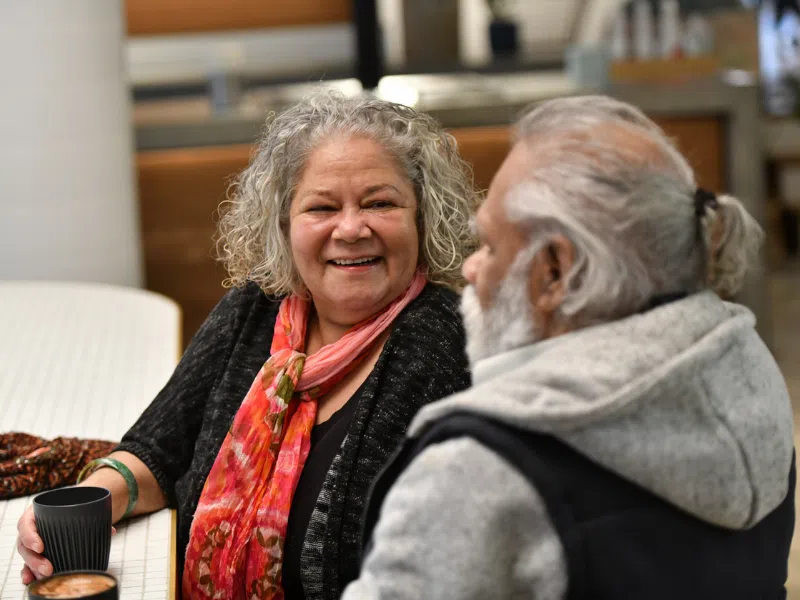
Aboriginal and Torres Strait Islander Health is an important part of Australia’s overall health system. It reflects not only physical wellbeing, but also emotional, social, and cultural health. For Aboriginal and Torres Strait Islander peoples, health is deeply connected to family, community, land, culture, and identity. Understanding this broader view of health helps create more respectful, effective, and culturally safe care.
While progress has been made over time, many Aboriginal and Torres Strait Islander communities still experience poorer health outcomes compared to non-Indigenous Australians. Addressing these gaps requires compassion, awareness, and practical action at individual, community, and system levels.
What Does Aboriginal and Torres Strait Islander Health Mean?
Aboriginal and Torres Strait Islander Health goes beyond treating illness. It recognises that wellbeing includes physical health, mental health, spiritual connection, cultural strength, and community support. When one of these areas is affected, overall health can suffer.
This holistic understanding is different from a purely medical model. It values cultural knowledge, traditional practices, and strong relationships as essential parts of healing and wellbeing.
Key Health Challenges Faced by Aboriginal and Torres Strait Islander Peoples
Many Aboriginal and Torres Strait Islander people face higher rates of chronic conditions such as heart disease, diabetes, kidney disease, and respiratory illness. Mental health challenges, including stress, anxiety, and trauma, are also more common due to the ongoing effects of colonisation, discrimination, and social disadvantage.
Access to healthcare can be difficult, especially in rural and remote areas. Factors such as transport, cost, language barriers, and past negative experiences with healthcare services can prevent people from seeking help early.
The Importance of Culturally Safe Healthcare
Cultural safety is a key part of improving Aboriginal and Torres Strait Islander Health. It means healthcare services respect culture, identity, and lived experiences. People should feel safe, listened to, and understood when receiving care.
Culturally safe healthcare often includes Aboriginal Health Workers, community-controlled health services, and care models that involve family and community. These approaches help build trust and encourage people to engage with healthcare services regularly.
Preventive Care and Early Support
Preventive care plays a vital role in improving long-term health outcomes. Regular health checks, vaccinations, screening programs, and early treatment can help detect problems before they become serious.
For Aboriginal and Torres Strait Islander peoples, culturally appropriate prevention programs are especially important. When health information is shared in a respectful and culturally relevant way, it is more likely to be understood and acted upon.
Supporting Social and Emotional Wellbeing
Social and emotional wellbeing is central to Aboriginal and Torres Strait Islander Health. Strong connections to family, culture, and community support resilience and healing. Programs that promote cultural identity, community leadership, and connection to Country can have powerful health benefits.
Mental health support should acknowledge the impact of intergenerational trauma and loss, while also recognising strength, survival, and cultural pride.
How Individuals and Communities Can Support Better Health
Improving Aboriginal and Torres Strait Islander Health is a shared responsibility. Individuals can support better outcomes by learning about Indigenous cultures, challenging stereotypes, and listening to Aboriginal and Torres Strait Islander voices.
Communities and organisations can contribute by supporting Aboriginal community-controlled health services, employing Indigenous staff, and embedding cultural respect into everyday practice.
Moving Forward Together
Aboriginal and Torres Strait Islander Health is about more than closing gaps in statistics. It is about respect, partnership, and recognising the right of Aboriginal and Torres Strait Islander peoples to lead decisions about their own health and wellbeing.
By focusing on culturally safe care, prevention, and social wellbeing, Australia can move toward a future where Aboriginal and Torres Strait Islander peoples enjoy the same opportunities for long, healthy lives as everyone else.
Frequently asked questions
Find quick answers to common questions about our services, appointments, and patient care.
What does Aboriginal and Torres Strait Islander Health focus on?
Why is culturally safe care important in Aboriginal and Torres Strait Islander Health services?
What types of services are included in Aboriginal and Torres Strait Islander Health programs?
How can Aboriginal and Torres Strait Islander Health services support long-term wellbeing?
Who can access Aboriginal and Torres Strait Islander Health services?
Get in Touch
Speak With Our Care Team
Our clinic is always ready to assist you. Whether you need to arrange a visit, request information, or discuss your healthcare needs, our team is just a call or message away.
We aim to make communication easy, clear, and welcoming—because your health matters to us.
Call Us
0262783488
Address
Unit 12, 1 Grazier lane.Belconnen ACT 2617