
Skin Cancer Checks & Excision
Our Services
- Family Health
- Mental Health
- Women Health
- Immunisation
- Men Health
- Travel Medicine
- Sports Medicine
- Chronic Disease & GP Managed Care Plans
- Children Health Check
- Health Assessments
- Occupational Medicine & WorkCover / Work Injury Consultations
- Pathology & Allied health service
- Iron Deficiency Assessments
- Aboriginal and Torres Strait Islander Health
- Skin Cancer Checks & Excisions
- Weight Loss Consultations
- Wound Care
- Coordinated Veterans’ Care (CVC) Program
- Children Vaccination
- Telehealth Appointments
- Other Services
Request an appointment
Easily schedule your visit online or call us today to book your appointment.Call Now: (02) 6278 3488Email Us: info@belconnengeneralpractice.com.au
Book Online
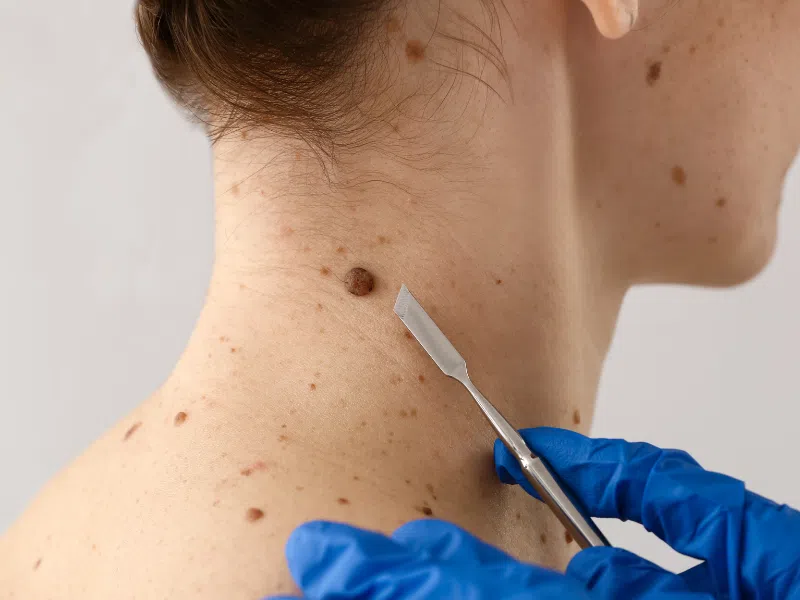
Skin Cancer Checks & Excision: Early Detection and Effective Treatment
Skin cancer is one of the most common cancers, but it is also one of the most treatable when found early.
Regular Skin Cancer Checks & Excision play a vital role in protecting your health and giving
you peace of mind. Whether you have noticed a new spot, a changing mole, or simply want a routine check,
understanding the process can help you feel confident and prepared.
This guide explains why skin cancer checks matter, what happens during an appointment, when excision is
recommended, and how you can take care of your skin long term.
Why Skin Cancer Checks Are So Important
Skin cancer often develops slowly and may not cause pain in the early stages. This means harmful changes
can go unnoticed without professional checks. Regular skin examinations help identify suspicious lesions
early, when treatment is usually simpler and highly effective.
People with fair skin, a history of sun exposure, frequent sunburns, or a family history of skin cancer
are at higher risk. However, anyone can develop skin cancer, which is why routine checks are important
for overall wellbeing.
What Happens During a Skin Cancer Check?
A skin cancer check is a thorough examination of your skin by a trained medical professional. The goal
is to identify any spots, moles, or lesions that look unusual or have changed over time.
During the appointment, your doctor will:
- Examine your skin from head to toe, including hard-to-see areas
- Ask about changes in moles or spots
- Discuss your sun exposure and medical history
- Use specialised tools to examine suspicious areas more closely
The process is usually quick, painless, and designed to make you feel comfortable. If nothing concerning
is found, you will be advised on when to return for your next routine check.
Understanding Skin Cancer Excision
If a suspicious lesion is found, your doctor may recommend excision. Skin Cancer Checks & Excision
often go hand in hand, as excision allows the complete removal of abnormal skin for further testing.
Excision involves removing the lesion along with a small margin of surrounding skin. This helps ensure
that all abnormal cells are removed. The procedure is usually performed under local anaesthetic and is
considered safe and effective.
What to Expect During and After Excision
Skin cancer excision is typically a straightforward procedure performed in a medical clinic. You will
remain awake, but the area will be numbed to prevent discomfort.
After excision, you may experience mild soreness or swelling, which usually settles within a few days.
Stitches may be required, and your doctor will provide clear aftercare instructions to support healing
and reduce scarring.
The removed tissue is sent to a laboratory for testing. Your doctor will discuss the results with you
and explain any further steps if needed.
How Often Should You Have Skin Cancer Checks?
The frequency of skin cancer checks depends on your individual risk factors. Many people benefit from
annual checks, while those at higher risk may need more frequent monitoring.
You should also book an appointment if you notice:
- A new mole or spot
- Changes in size, shape, or colour of an existing mole
- A sore that does not heal
- Bleeding, itching, or pain in a skin lesion
Protecting Your Skin Between Appointments
While Skin Cancer Checks & Excision are essential, prevention is just as important.
Simple habits can significantly reduce your risk of skin damage.
- Wear sunscreen daily, even on cloudy days
- Use hats, sunglasses, and protective clothing
- Avoid peak sun hours when possible
- Check your own skin regularly at home
Taking the Next Step for Your Skin Health
Your skin tells a story about your health, lifestyle, and sun exposure. Regular skin cancer checks help
ensure that any concerns are identified early, while excision offers a reliable treatment option when
needed.
If you are due for a check or have noticed a change in your skin, booking an appointment can provide
reassurance and protect your long-term health. Early action makes a real difference.
Frequently asked questions
Find quick answers to common questions about our services, appointments, and patient care.
What are Skin Cancer Checks & Excision, and why are they important?
Who should get regular Skin Cancer Checks & Excision?
How is a skin cancer check performed?
Is skin cancer excision a safe and painful procedure?
What happens after Skin Cancer Checks & Excision treatment?
Get in Touch
Speak With Our Care Team
Our clinic is always ready to assist you. Whether you need to arrange a visit, request information, or discuss your healthcare needs, our team is just a call or message away.
We aim to make communication easy, clear, and welcoming—because your health matters to us.
Call Us
0262783488
Address
Unit 12, 1 Grazier lane.Belconnen ACT 2617