
Iron Deficiency Assessments
Our Services
- Family Health
- Mental Health
- Women Health
- Immunisation
- Men Health
- Travel Medicine
- Sports Medicine
- Chronic Disease & GP Managed Care Plans
- Children Health Check
- Health Assessments
- Occupational Medicine & WorkCover / Work Injury Consultations
- Pathology & Allied health service
- Iron Deficiency Assessments
- Aboriginal and Torres Strait Islander Health
- Skin Cancer Checks & Excisions
- Weight Loss Consultations
- Wound Care
- Coordinated Veterans’ Care (CVC) Program
- Children Vaccination
- Telehealth Appointments
- Other Services
Request an appointment
Easily schedule your visit online or call us today to book your appointment.Call Now: (02) 6278 3488Email Us: info@belconnengeneralpractice.com.au
Book Online
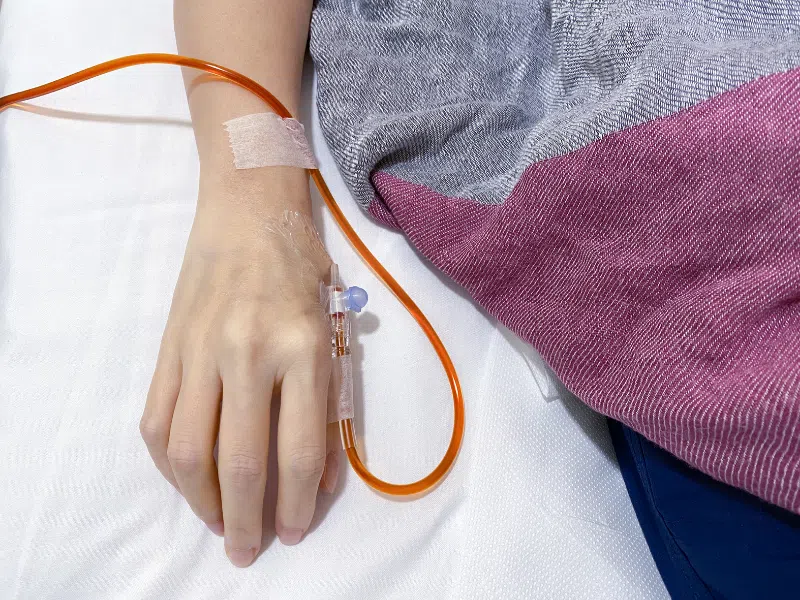
Iron Deficiency Assessments: A Complete Guide to Protecting Your Health
Iron deficiency is one of the most common nutritional problems worldwide, yet it often goes unnoticed. Many people live with ongoing fatigue, weakness, or poor concentration without realising that low iron levels may be the cause. Iron Deficiency Assessments are an important step in identifying this issue early and helping you restore your energy, health, and overall wellbeing.
This guide explains what iron deficiency is, why assessments matter, who should consider testing, and what happens after the results. The goal is to give you clear, practical information so you can take confident steps toward better health.
What Is Iron Deficiency?
Iron is a vital mineral your body needs to produce healthy red blood cells. These cells carry oxygen from your lungs to the rest of your body. When iron levels are too low, your body cannot deliver enough oxygen, which can lead to a condition called iron deficiency or iron deficiency anaemia.
Iron deficiency can develop slowly, and symptoms may be mild at first. Over time, however, it can affect your energy levels, immune system, mental focus, and daily quality of life. This is why timely Iron Deficiency Assessments are so important.
Common Signs and Symptoms of Low Iron
Symptoms of iron deficiency vary from person to person. Some people feel unwell, while others may not notice changes until levels are very low. Common signs include:
- Persistent tiredness or weakness
- Shortness of breath
- Dizziness or headaches
- Pale skin
- Cold hands and feet
- Difficulty concentrating
- Hair thinning or brittle nails
If these symptoms sound familiar, an iron assessment can help identify whether low iron is contributing to how you feel.
Why Iron Deficiency Assessments Are Important
Iron Deficiency Assessments provide a clear picture of your iron levels and how well your body is storing and using iron. Without proper testing, iron deficiency may be mistaken for stress, lack of sleep, or other health issues.
Early assessment allows healthcare professionals to identify the underlying cause and recommend appropriate treatment. This helps prevent complications and supports long-term health, especially for children, pregnant women, and people with chronic conditions.
Who Should Consider an Iron Deficiency Assessment?
Anyone can develop low iron, but some people are at higher risk. You may benefit from an iron assessment if you:
- Experience ongoing fatigue or weakness
- Have heavy menstrual bleeding
- Are pregnant or planning pregnancy
- Follow a vegetarian or vegan diet
- Have digestive conditions affecting nutrient absorption
- Donate blood regularly
- Have unexplained hair loss or poor concentration
If you fall into one of these groups, regular Iron Deficiency Assessments can help monitor and protect your health.
What Happens During an Iron Deficiency Assessment?
Iron Deficiency Assessments usually involve a simple blood test. Your healthcare provider may check several markers, including:
- Haemoglobin levels
- Serum ferritin (iron stores)
- Serum iron
- Total iron-binding capacity
Together, these results help determine whether you have iron deficiency, how severe it is, and whether further investigation is needed to find the cause.
Understanding Your Results
If your assessment shows low iron levels, your healthcare provider will discuss what this means for you. Iron deficiency can be caused by dietary factors, blood loss, absorption problems, or increased iron needs.
Understanding the cause is just as important as treating the deficiency. This ensures that the right treatment plan is chosen and helps prevent the problem from returning.
Treatment and Next Steps
Treatment for iron deficiency depends on the severity and cause. Common approaches include:
- Dietary changes to include more iron-rich foods
- Iron supplements if recommended
- Treating underlying conditions or sources of blood loss
Follow-up Iron Deficiency Assessments may be needed to monitor progress and ensure iron levels return to a healthy range. It is important not to self-medicate with iron supplements without medical advice, as excess iron can also cause health issues.
Taking Care of Your Wellbeing
Iron Deficiency Assessments are a simple yet powerful tool for understanding your health. If you are feeling persistently tired, unwell, or concerned about your iron levels, seeking assessment is a proactive step toward feeling better.
By identifying iron deficiency early and addressing it properly, you can improve your energy, focus, and overall quality of life. If you have concerns, speak with a qualified healthcare professional who can guide you through assessment, treatment, and ongoing care with compassion and expertise.
Frequently asked questions
Find quick answers to common questions about our services, appointments, and patient care.
What does Pathology & Allied health include?
Why is Pathology & Allied health important for early diagnosis?
How do Pathology & Allied health services support treatment plans?
Are Pathology & Allied health tests safe and accurate?
How should I prepare for a Pathology & Allied health test?
Iron Deficiency Assessments: A Complete Guide to Protecting Your Health
Iron deficiency is one of the most common nutritional problems worldwide, yet it often goes unnoticed. Many people live with ongoing fatigue, weakness, or poor concentration without realising that low iron levels may be the cause. Iron Deficiency Assessments are an important step in identifying this issue early and helping you restore your energy, health, and overall wellbeing.
This guide explains what iron deficiency is, why assessments matter, who should consider testing, and what happens after the results. The goal is to give you clear, practical information so you can take confident steps toward better health.
What Is Iron Deficiency?
Iron is a vital mineral your body needs to produce healthy red blood cells. These cells carry oxygen from your lungs to the rest of your body. When iron levels are too low, your body cannot deliver enough oxygen, which can lead to a condition called iron deficiency or iron deficiency anaemia.
Iron deficiency can develop slowly, and symptoms may be mild at first. Over time, however, it can affect your energy levels, immune system, mental focus, and daily quality of life. This is why timely Iron Deficiency Assessments are so important.
Common Signs and Symptoms of Low Iron
Symptoms of iron deficiency vary from person to person. Some people feel unwell, while others may not notice changes until levels are very low. Common signs include:
- Persistent tiredness or weakness
- Shortness of breath
- Dizziness or headaches
- Pale skin
- Cold hands and feet
- Difficulty concentrating
- Hair thinning or brittle nails
If these symptoms sound familiar, an iron assessment can help identify whether low iron is contributing to how you feel.
Why Iron Deficiency Assessments Are Important
Iron Deficiency Assessments provide a clear picture of your iron levels and how well your body is storing and using iron. Without proper testing, iron deficiency may be mistaken for stress, lack of sleep, or other health issues.
Early assessment allows healthcare professionals to identify the underlying cause and recommend appropriate treatment. This helps prevent complications and supports long-term health, especially for children, pregnant women, and people with chronic conditions.
Who Should Consider an Iron Deficiency Assessment?
Anyone can develop low iron, but some people are at higher risk. You may benefit from an iron assessment if you:
- Experience ongoing fatigue or weakness
- Have heavy menstrual bleeding
- Are pregnant or planning pregnancy
- Follow a vegetarian or vegan diet
- Have digestive conditions affecting nutrient absorption
- Donate blood regularly
- Have unexplained hair loss or poor concentration
If you fall into one of these groups, regular Iron Deficiency Assessments can help monitor and protect your health.
What Happens During an Iron Deficiency Assessment?
Iron Deficiency Assessments usually involve a simple blood test. Your healthcare provider may check several markers, including:
- Haemoglobin levels
- Serum ferritin (iron stores)
- Serum iron
- Total iron-binding capacity
Together, these results help determine whether you have iron deficiency, how severe it is, and whether further investigation is needed to find the cause.
Understanding Your Results
If your assessment shows low iron levels, your healthcare provider will discuss what this means for you. Iron deficiency can be caused by dietary factors, blood loss, absorption problems, or increased iron needs.
Understanding the cause is just as important as treating the deficiency. This ensures that the right treatment plan is chosen and helps prevent the problem from returning.
Treatment and Next Steps
Treatment for iron deficiency depends on the severity and cause. Common approaches include:
- Dietary changes to include more iron-rich foods
- Iron supplements if recommended
- Treating underlying conditions or sources of blood loss
Follow-up Iron Deficiency Assessments may be needed to monitor progress and ensure iron levels return to a healthy range. It is important not to self-medicate with iron supplements without medical advice, as excess iron can also cause health issues.
Taking Care of Your Wellbeing
Iron Deficiency Assessments are a simple yet powerful tool for understanding your health. If you are feeling persistently tired, unwell, or concerned about your iron levels, seeking assessment is a proactive step toward feeling better.
By identifying iron deficiency early and addressing it properly, you can improve your energy, focus, and overall quality of life. If you have concerns, speak with a qualified healthcare professional who can guide you through assessment, treatment, and ongoing care with compassion and expertise.
Frequently asked questions
Find quick answers to common questions about our services, appointments, and patient care.
What does Pathology & Allied health include?
Why is Pathology & Allied health important for early diagnosis?
How do Pathology & Allied health services support treatment plans?
Are Pathology & Allied health tests safe and accurate?
How should I prepare for a Pathology & Allied health test?
Our Services
- Family Health
- Mental Health
- Women Health
- Immunisation
- Men Health
- Travel Medicine
- Sports Medicine
- Chronic Disease & GP Managed Care Plans
- Children Health Check
- Health Assessments
- Occupational Medicine & WorkCover / Work Injury Consultations
- Pathology & Allied health service
- Iron Deficiency Assessments
- Aboriginal and Torres Strait Islander Health
- Skin Cancer Checks & Excisions
- Weight Loss Consultations
- Wound Care
- Coordinated Veterans’ Care (CVC) Program
- Children Vaccination
- Telehealth Appointments
- Other Services
Request an appointment
Easily schedule your visit online or call us today to book your appointment.Call Now: (02) 6278 3488Email Us: info@belconnengeneralpractice.com.au
Book Online
Get in Touch
Speak With Our Care Team
Our clinic is always ready to assist you. Whether you need to arrange a visit, request information, or discuss your healthcare needs, our team is just a call or message away.
We aim to make communication easy, clear, and welcoming—because your health matters to us.
Call Us
0262783488