
Wound Care
Our Services
- Family Health
- Mental Health
- Women Health
- Immunisation
- Men Health
- Travel Medicine
- Sports Medicine
- Chronic Disease & GP Managed Care Plans
- Children Health Check
- Health Assessments
- Occupational Medicine & WorkCover / Work Injury Consultations
- Pathology & Allied health service
- Iron Deficiency Assessments
- Aboriginal and Torres Strait Islander Health
- Skin Cancer Checks & Excisions
- Weight Loss Consultations
- Wound Care
- Coordinated Veterans’ Care (CVC) Program
- Children Vaccination
- Telehealth Appointments
- Other Services
Request an appointment
Easily schedule your visit online or call us today to book your appointment.Call Now: (02) 6278 3488Email Us: info@belconnengeneralpractice.com.au
Book Online
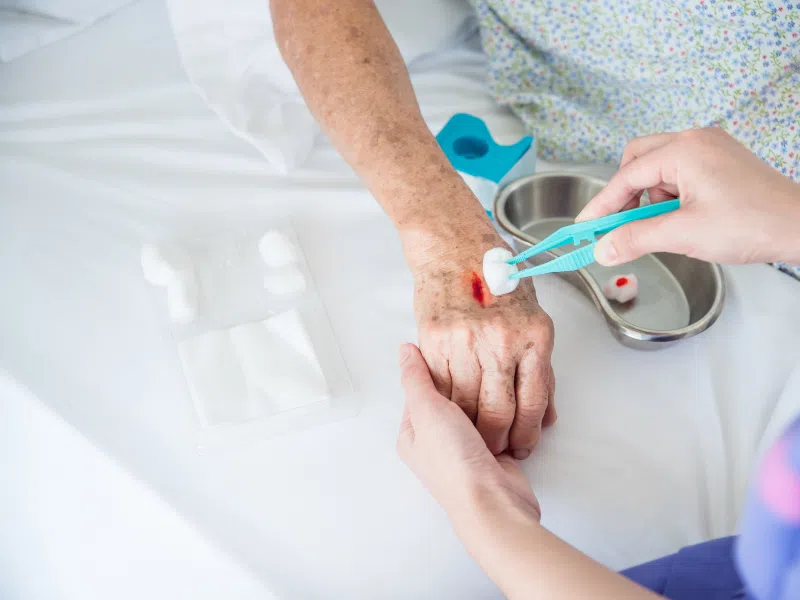
Wound Care: A Complete Guide to Healing Safely and Effectively
Wound care is an essential part of healing after an injury, surgery, or skin condition.
Proper wound care helps prevent infection, reduces pain, and supports faster recovery.
Whether you are dealing with a small cut, a burn, or a long-lasting wound, knowing how to care
for it correctly can make a big difference in how well and how quickly it heals.
This guide explains wound care in simple terms, answers common questions, and provides
practical steps you can follow at home while also helping you know when professional care is needed.
What Is Wound Care?
Wound care refers to the process of cleaning, protecting, and treating a wound so it can heal properly.
A wound may be caused by a cut, scrape, burn, surgery, pressure injury, or a medical condition such as diabetes.
Each type of wound needs the right level of care to avoid complications.
Good wound care focuses on keeping the area clean, moist (but not wet), and protected while the body repairs itself.
Common Types of Wounds
Understanding the type of wound you have helps you choose the right wound care approach.
- Minor cuts and scrapes: Small injuries that usually heal quickly with basic care.
- Surgical wounds: Incisions that need careful monitoring after medical procedures.
- Burns: Skin damage caused by heat, chemicals, or electricity.
- Chronic wounds: Slow-healing wounds such as diabetic ulcers or pressure sores.
Basic Wound Care Steps
Following the correct wound care steps can help prevent infection and promote healing.
- Clean the wound: Gently rinse with clean water to remove dirt and debris.
- Stop bleeding: Apply gentle pressure using a clean cloth or bandage.
- Apply protection: Use an appropriate dressing or bandage to protect the area.
- Keep it clean: Change dressings as advised and wash your hands before touching the wound.
Avoid using harsh chemicals unless recommended by a healthcare professional, as they may delay healing.
Why Proper Wound Care Matters
Poor wound care can lead to infections, delayed healing, scarring, or more serious complications.
Signs of infection include redness, swelling, warmth, pus, increasing pain, or fever.
Proper wound care supports your body’s natural healing process and reduces the risk of long-term problems,
especially for people with diabetes, poor circulation, or weakened immune systems.
When to Seek Professional Wound Care
While many wounds can be managed at home, some situations require professional wound care.
- The wound is deep, large, or bleeding heavily
- Healing is slow or has stopped
- There are signs of infection
- You have a medical condition affecting healing
A healthcare professional can assess the wound, provide advanced treatments, and help prevent complications.
Tips to Support Faster Healing
In addition to proper wound care, healthy habits can improve healing.
- Eat a balanced diet with enough protein and vitamins
- Stay hydrated
- Avoid smoking, as it slows healing
- Follow all care instructions carefully
Final Thoughts on Wound Care
Wound care is not just about treating an injury—it’s about protecting your health and wellbeing.
By understanding your wound, following proper care steps, and knowing when to seek help,
you can support safe and effective healing.
If you are unsure about your wound or have concerns about healing, reaching out to a healthcare
professional can provide peace of mind and the right care at the right time.
Frequently asked questions
Find quick answers to common questions about our services, appointments, and patient care.
What is wound care and why is it important?
When should I seek professional wound care?
How does proper wound care help healing?
What are common mistakes people make with wound care?
How long does wound care usually take to show results?
Get in Touch
Speak With Our Care Team
Our clinic is always ready to assist you. Whether you need to arrange a visit, request information, or discuss your healthcare needs, our team is just a call or message away.
We aim to make communication easy, clear, and welcoming—because your health matters to us.
Call Us
0262783488