With diabetes comes a need for continuous support, frequent monitoring and collaboration between you and your healthcare provider. We know that diabetes is not the same for everyone, and we know that at our Belconnen GP practice, you can receive the care that’s right for you. This detailed guide will help you get started to know what you need to do with your GP to control diabetes and stay healthy. Diabetes is one of the most common chronic diseases experienced by Australians today, as mentioned in our detailed diabetes management guide.
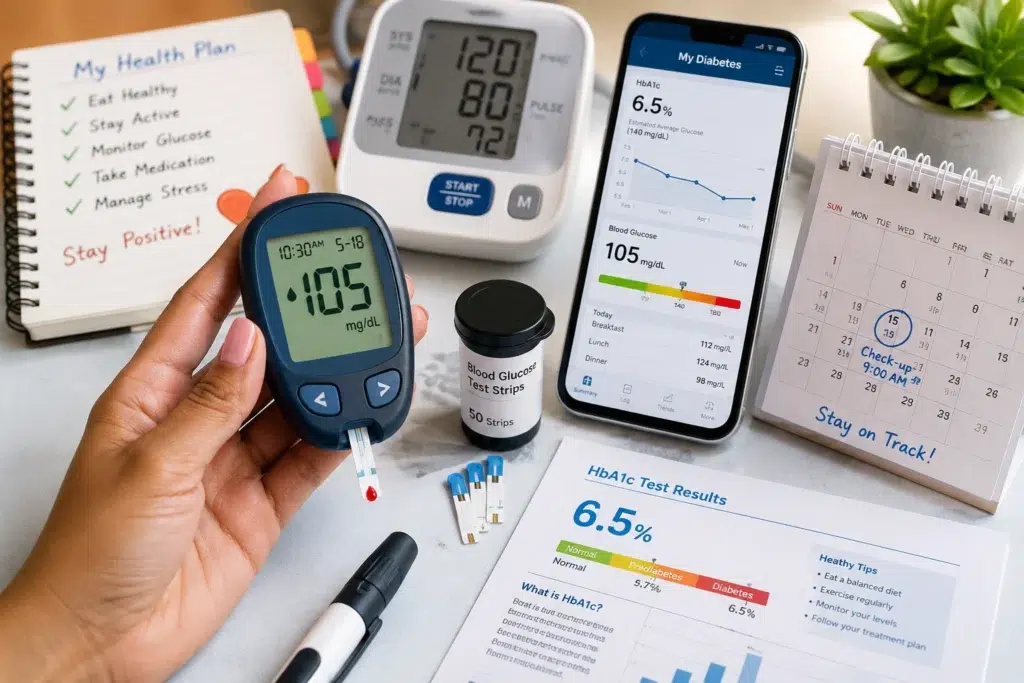
Diabetes monitoring and self-care tools
Recognize the different types of diabetes and how GPs make the diagnosis
Diabetes is a metabolic disease in which the glucose level of the blood is raised. It is important to know the various types to ensure sound management.
Types of Diabetes
Type 1 Diabetes
Type 1 Diabetes is when the pancreas stops making insulin. It usually occurs in childhood or young adulthood, but at any age. Insulin therapy is essential for life with type 1 diabetes.
Type 2 Diabetes
Type 2 Diabetes is much more prevalent and is responsible for around 85-90% of all diabetes. Type 2 diabetes is when your body either doesn’t produce enough insulin or is resistant to insulin. Treatment for type 2 diabetes may include lifestyle changes, medications or a combination of lifestyle changes and medications.
Gestational Diabetes
Gestational Diabetes is a type of diabetes that occurs during pregnancy and can lead to Type 2 diabetes in the future.
Other Types
Other Types involve secondary diabetes, which can occur as a result of other conditions such as pancreatitis or cystic fibrosis, or monogenic diabetes.
Diagnostic Process
Your GP will diagnose diabetes using a number of tests:
Fasting Blood Sugar Test
Fasting Blood Sugar Test: tests blood sugar level after 8 hours of fasting. The blood sugar level of 7.0 or above is a sign of diabetes.
Oral Glucose Tolerance Test (OGTT)
Oral Glucose Tolerance Test (OGTT): blood glucose levels are tested after the person has taken a ‘sugar solution’.
HbA1C Test
HbA1C Test: Provides information on your average blood glucose levels in the last 2-3 months. A blood glucose level of 6.5% or above is a sign of diabetes.
Random Blood Glucose Test
Random Blood Glucose Test: May be done anytime during the day.

Healthy living for balanced wellness
Early diagnosis is essential. If you have symptoms like increased thirst, more urine, tiredness or vision changes, make an appointment with your GP right away.
Regular Monitoring Protocols: Maintaining diabetes control
The foundation of diabetes management in Belconnen is regular monitoring. Your GP will set up a personalised monitoring plan specific to your needs.
HbA1c Monitoring
HbA1c testing is important to help determine how well you have controlled your blood glucose for some time. The goal for most people with diabetes is to keep their HbA1c level around 7% (53 mmol/mol); the target may differ depending on the person, age, and other health issues.
The HbA1c test is usually ordered at least once every 3-6 months while you are beginning or switching diabetes treatments and once a year when your diabetes is well controlled. Frequent HbA1c testing is helpful:
- Monitor how well your current treatment is working.
- Identify patterns of blood glucose control.
- Recognize the need for medication changes
- Motivate you by showing progress
- Predict your risk of complications
Blood Glucose Monitoring
Self-monitoring of blood glucose provides insight into the impact of food, activity, and stressors on blood glucose. You can ask your GP team to recommend:
- How often you should test depends on the type and treatment of your diabetes.
- Appropriate monitoring devices
- Proper testing techniques
- Interpretation of readings
To check the function of the kidneys and evaluate for other screening
As a chronic condition, diabetes may cause damage to the kidneys over time. Your GP will be monitoring:
- Serum Creatinine and eGFR: Evaluate Kidney Function.
- Urine Albumin-to-Creatinine Ratio (ACR): Early kidney damage detection
- High Blood Pressure: High blood pressure makes it more likely that kidney disease will develop.
- Diabetes Raises Heart Disease Risk: Cholesterol Levels
- The tests should be conducted at least once a year, and more often if a problem is found.
Using Medications and Managing Them
GP diabetes care in Belconnen includes personalized medication management. Depending on your Type 2 diabetes, your doctor may recommend:
First-Line Medications
The initial treatment is usually metformin. It helps to lower the amount of glucose made by the liver and increases insulin sensitivity. It’s taken orally and is generally well-tolerated.
Other Oral Medications
- Sulfonylureas: Make the pancreas make more insulin
- DPP-4 Inhibitors: Assist the pancreas to secrete insulin when blood sugar is elevated.
- GLP-1 Receptor Agonists: Enhance insulin production and decrease hunger.
- SGLT2 Inhibitors: To get the glucose out of the urine.
Insulin Therapy
As time goes on, some people with Type 2 diabetes may need to take insulin on their own or along with oral medications. Insulin therapy can be started by your GP or you may be referred to an endocrinologist if your case is more complex.
Your GP from your Belconnen health centre will be able to tailor the combination of medicines to your needs and help you minimise side-effects and achieve the best possible control of your GP.
Lifestyle Factors: Diet, Exercise and Stress Management
Taking medicines is just one aspect of managing diabetes. Lifestyle changes are also a critical part of the treatment and can help control blood sugar levels much more.
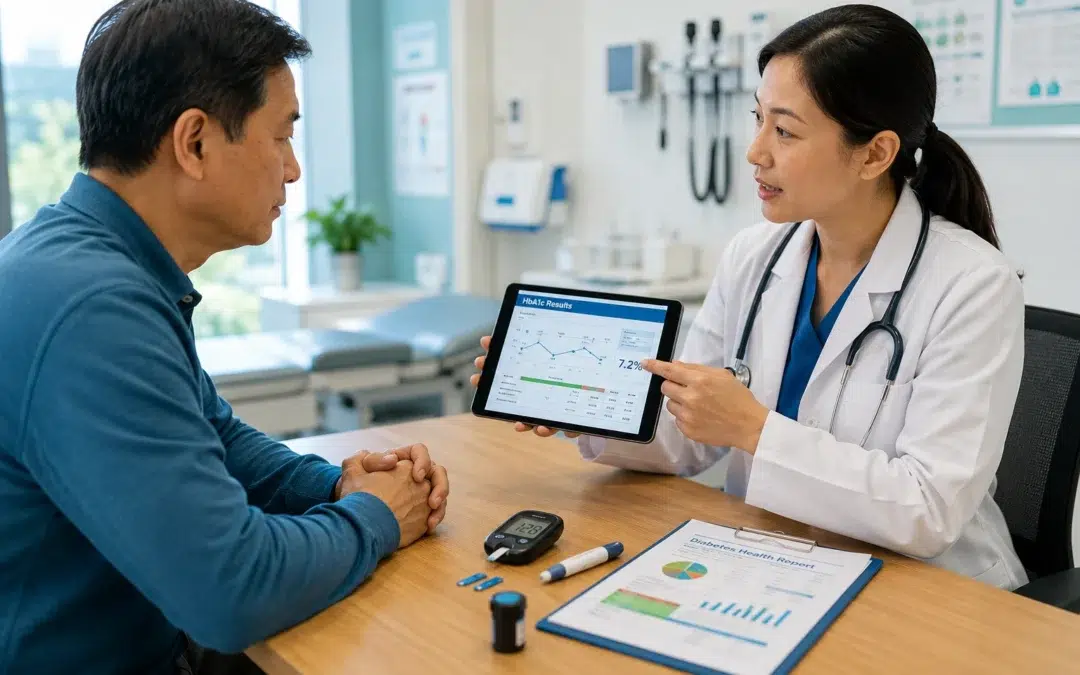
Doctor reviewing HbA1c results with patient
Nutrition and Diet
Eating a well-balanced diet is a basic rule to managing Type 2 diabetes:
Select Complex Carbohydrates
- Select Complex Carbohydrates: Whole grains, legumes and vegetables break down slowly to release glucose.
- The key is to eat protein at every meal: Protein levels help moderate blood sugar levels and makes people feel fuller.
- Healthy Fats: Use olive oil, nuts and fatty fish.
- Reduce Processed Food and Sugary Drinks: These result in quick blood glucose rises
- Reduce Serving Sizes: Use smaller plates, eat mindfully.
Your GP might refer you to a dietitian for individual nutrition advice that takes into account your likes and dislikes and your culture.
Physical Activity
- Regular exercise increases insulin sensitivity and keeps weight normal.
- Get at least 150 minutes of moderate exercise a week
- Add in Resistance Training 2-3 times a week to build muscle mass
- Take breaks from Sedentary Time: Even a little bit of activity can help to balance blood glucose.
- Select Activities You Enjoy – Be consistent – find activities that fit your lifestyle.
Stress Management
Chronic stress increases cortisol, which increases blood glucose:
- Use relaxation exercises such as meditation or deep breathing
- Take part in hobbies and social events
- Get good sleep (7-9 hours per night)
- It may be helpful to attend counselling or support groups.
- Your GP will be able to recommend diabetes-specific stress management tools.
Complication screening and complication prevention
If not managed, diabetes can cause serious complications. Your GP can spot and prevent problems if you have regular screening.
Cardiovascular Screening
Heart disease and stroke are much more likely to occur in people with diabetes. Your Belconnen GP will:
- Have frequent blood pressure checks.
- Get a blood test for cholesterol and triglycerides
- If necessary, think about aspirin treatment.
- Screen for cardiovascular disease (CVD) risk factors
Eye Health
Diabetic retinopathy is a disease that can lead to vision loss. It is important to have eye exams annually from an optometrist or ophthalmologist. Your GP will promote regular screening and will refer you for any problems identified.
Kidney Function
As stated above, periodic kidney function tests can identify diabetic nephropathy. Your GP might prescribe medicines (such as ACE inhibitors or ARBs) to help prevent kidney disease if it develops.
Foot Care
Diabetes may affect nerves in the feet (neuropathy), and it may decrease blood flow, which can lead to more infections:
- Check the feet every day for cuts, blisters or sores
- Maintain clean and dry feet
- Trim toenails carefully
- Wear comfortable, well-fitting shoes
- Have your GP check your feet every year
Dental Health
Gum disease and tooth decay are more common in people with diabetes. Have regular dental check-ups and practice good oral hygiene.
Working with Your Belconnen GP: Creating Your Diabetes Management Plan
The best management of diabetes is a team effort and tailored to the individual. Your GP will work with you to:
- Establish reasonable goals for blood glucose levels.
- Select suitable drugs and surveillance techniques
- Set achievable life goals
- Make follow-up appointments routinely.
- Talk to your child about what’s going on.
- Provide emotional support and encouragement
You can have your management strategy reviewed and changes made at regular GP appointments. Please feel free to share your concerns, side effects or difficulties.
Referrals to Diabetes Educators and Specialists
Your GP might refer you to specialist services for more extensive care:
Diabetes Educators
Diabetes Educators deliver diabetes education that focuses on blood glucose monitoring, medication management, nutrition, and lifestyle. They are extremely helpful allied health professionals who are great for understanding what’s going on and how to manage your condition.
Endocrinologists
Endocrinologists specialize in hormone and metabolic diseases. If you have any of the following, your GP may refer you:
- You are having trouble managing your diabetes.
- Insulin therapy is needed
- You have complications that need a specialist’s evaluation
- You have type 1 diabetes or gestational diabetes
Dietitians
Dietitians develop a plan tailored to your preferences, lifestyle and medical requirements.
Other Specialists
If you have any complications related to it, you may also need the services of cardiologists and ophthalmologists.
Success Stories and Outcomes: Real Results in Belconnen
With regular GP support and individual commitment, many of our patients have come to manage their diabetes very well. Patients have followed their individualized management plans, monitored regularly and made lifestyle changes, with the following results:
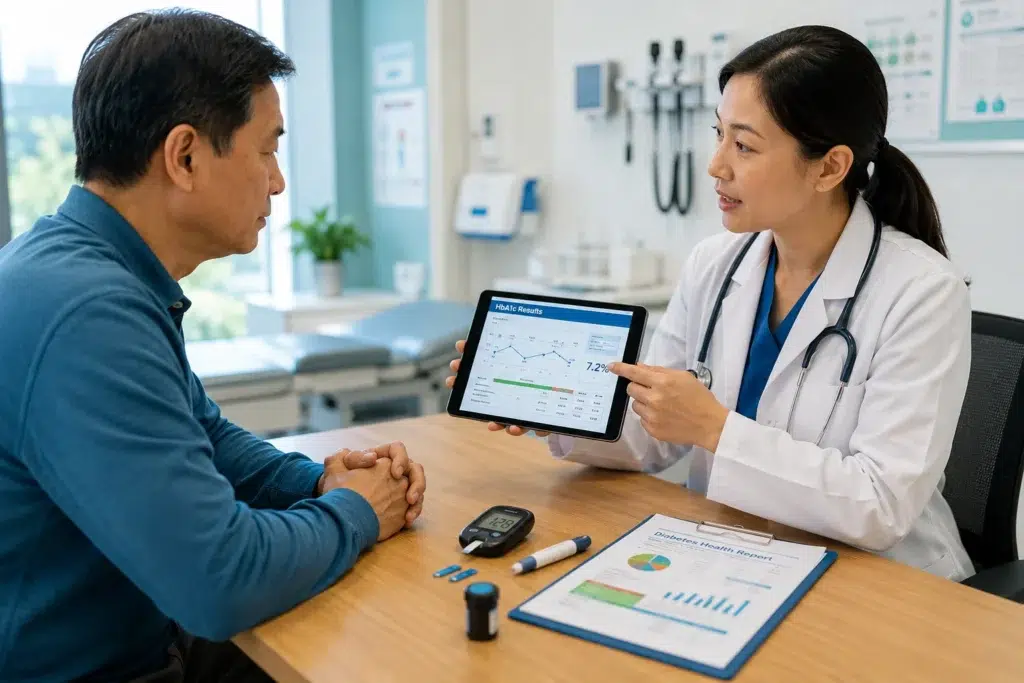
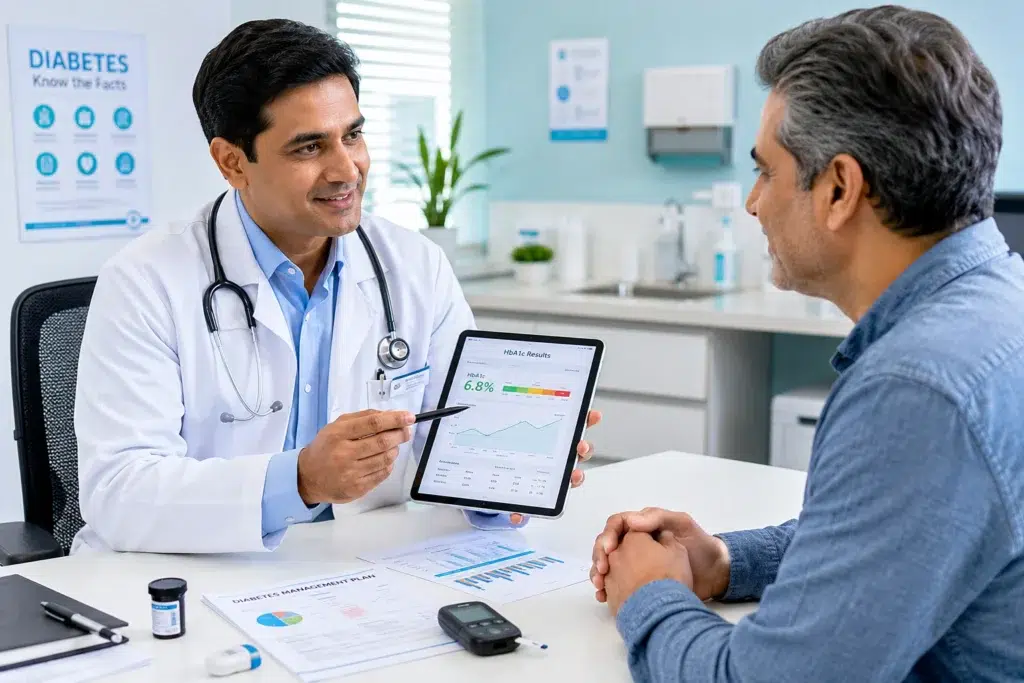
Doctor explaining diabetes results to patient
- Significantly lowered their HbA1c levels
- Avoided medication escalation
- Avoiding and delaying complications
- Experienced weight loss and enhanced overall health.
- Become more confident in self care of their condition
- Enhanced their quality of life and their level of energy.
These successes demonstrate that with proper support and dedication, diabetes can be effectively managed.
Your Next Steps: Taking Control of Your Diabetes
Managing diabetes is a continuous process but you are not alone. Your GP at the Belconnen Practice can offer you expert advice, frequent checks and ongoing support. You and your healthcare provider can work together to get the best outcomes with blood sugar control and to prevent complications.
Diabetes care is an integral component of our holistic approach to chronic disease management, and is comprehensive, evidence-based and personalized to your individual needs.
Looking to learn how to take control of diabetes? Make an appointment with our experienced GP team in Belconnen today for a diabetes management appointment. Call our practice to schedule your appointment and start your journey to a healthier life.
Our priority is your health! We’re committed to helping you manage your diabetes and live your best life.
Frequently Asked Questions
- How many times a year should you visit a GP for diabetes?
People with a well-controlled diabetes should be seen by their GP every 3-6 months. If you have just been diagnosed or are on new medicines, your appointments may be every 2-4 weeks at first. Frequency will be adjusted by your GP to meet your individual needs. - What is a normal HbA1c level?
A normal HbA1c level is less than 5.7% (less than 39 mmol/mol) is considered normal. A target of about 7% (or 53 mmol/mol) is recommended for most people with diabetes, but may be different for people with other health conditions or those who are older. - Can Type 2 Diabetes be reversed?
In the early stages, Type 2 diabetes can be reversed with major weight loss (5-10% of body weight), diet and exercise. Once the pancreas has begun to decrease insulin production, however, it is typically necessary to use medication to control blood glucose. - What should blood sugar be before eating?
The normal fasting blood glucose (before meals) for people with diabetes is 4-7 mmol/L. Your GP will have a specific target, depending on your circumstances. - What is the best medicine for Type 2 Diabetes?
Metformin is usually the first drug used to treat Type 2 diabetes. Which “best” medication will be prescribed is dependent on your health profile, kidney function, and response to the medication. Your GP will advise you on the best treatment for you. - How long will it take to notice the benefits of diet and exercise?
You should see an improvement in energy and mood levels in 1-2 weeks. But, HbA1C (a measure of long-term blood glucose control) usually improves significantly 3 months after making a long-term lifestyle change. - What are the symptoms of hypoglycaemia?
Symptoms of low blood sugar are shakiness, sweating, fast heart rate, anxiety, hunger, and trouble concentrating. If you have these symptoms, eat 15g of quick-acting carbohydrate (such as glucose tablets, fruit juice) straight away. - Is it possible to control diabetes without taking medicines?
Some people can control their early stages of Type 2 diabetes by means of diet, exercise and weight loss. But for many, lifestyle changes are not enough and medication is necessary. Discuss with your GP what’s best for you. - What problems can diabetes lead to?
Diabetes can lead to heart disease, stroke, kidney disease, vision loss, nerve damage and foot ulcers if it’s not treated or controlled. With regular monitoring and good control, these risks can be substantially lowered. - How is prediabetes diagnosed?
Normal levels of HbA1c and fasting blood glucose are less than 5.7% (39 mmol/mol) and less than 6.1 mmol/L, respectively. Prediabetes is defined as fasting blood glucose levels between 6.1-6.9 mmol/L or HbA1c levels between 5.7-6.4% (39-47 mmol/mol). Prediabetes often has no symptoms, and it’s important to get tested if you have risk factors. - What’s the difference between Type 1 and Type 2 diabetes?
Type 1 diabetes is a disease in which the pancreas stops producing insulin, and insulin therapy is necessary. Type 2 diabetes is a problem with the body’s ability to use insulin, and is usually treated initially by lifestyle changes and oral medications. - Is diabetes hereditary?
Yes, there is a genetic aspect to diabetes. Your risk is increased if either a parent or sibling has Type 2 diabetes. Lifestyle, however, including diet, exercise and weight, is also a significant factor. - Is stress a cause of diabetes?
Chronic stress does not directly lead to diabetes, but increases cortisol levels, which can lead to increases in blood glucose and make it more difficult to control blood sugar in individuals with diabetes. Managing stress is a key component of diabetes management. - If I have diabetes, what should I eat?
Eat whole grains, veggies, lean proteins and healthy fats! Reduce processed foods, refined carbohydrates and sugary beverages. A dietitian can design a meal plan that’s just right for you. - How is diabetes diagnosed?
Diabetes is diagnosed by measuring the fasting blood glucose level (7.0 mmol/L or higher), HbA1c (6.5% or higher), oral glucose tolerance test, or random blood glucose (11.1 mmol/L or higher). Your GP might use one or more of these tests. - Don’t let diabetes rule your life!
Our Belconnen GP team are experienced in diabetes management. If you’ve just been diagnosed or you are finding it difficult to manage your blood sugar, we can help you do this! We’ll customize your treatment with medication management, lifestyle support, and regular monitoring to help you stay healthy.