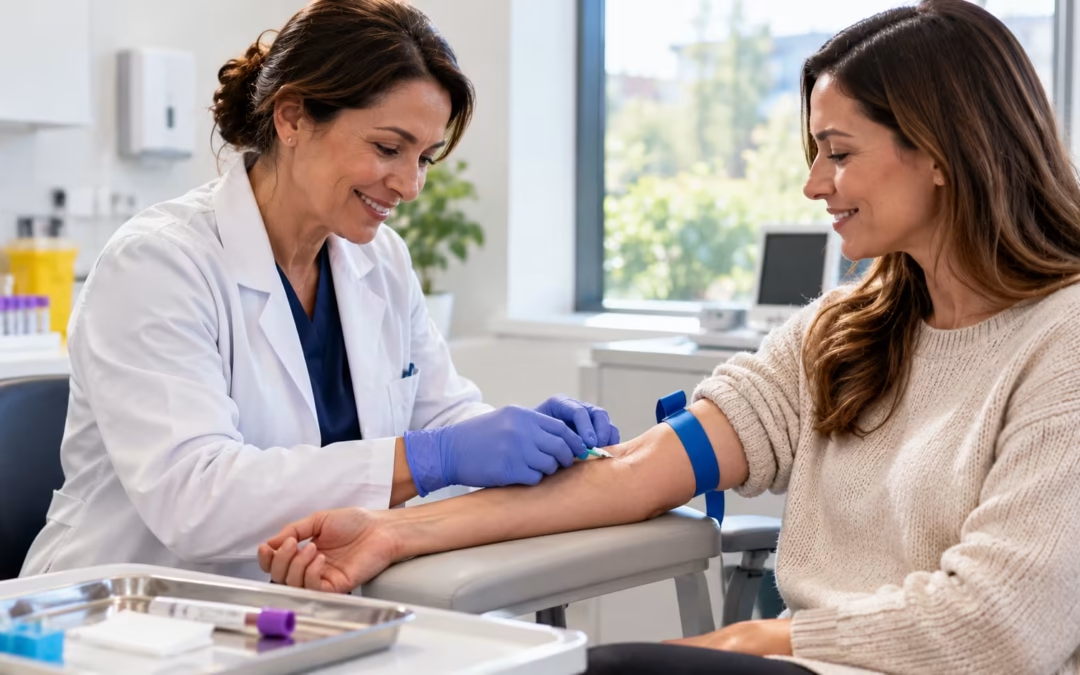
You know that you are scheduled to have a blood test tomorrow morning, and your GP’s receptionist casually said to you that you need to fast. Now you’re asking yourself, “Why should I fast? What can I eat and drink? How many hours should I fast?” The rules of fasting requirements for blood tests are often confusing and not unusual. Too many Australians turn up to their appointments without being prepared and are asked to reschedule. This guide will tell you everything you need to know about fasting before blood tests, including what it is, why it’s important, and how to prepare for it.

Fasting Requirements for Blood Tests
Understanding Fasting for Blood Tests
Fasting for a blood test involves abstaining from food (and sometimes beverages) for a specific amount of time before the test, usually 8-12 hours. The idea is simple: some blood markers vary greatly with meals, and thus it is important to avoid eating just prior to the blood test.
It’s like this: When you have a fatty meal, your cholesterol and triglyceride levels rise for a short period of time. If your GP tests your blood shortly after, then your actual baseline cholesterol levels may not be captured. This is why it is important to fast for proper lipid profiles. Your doctor must see your results when you are not eating to make correct clinical decisions regarding your health.
Which Blood Tests Do You Need To Fast For?
Some blood tests do not require fasting. Knowing which ones do will help you to prepare properly and prevent rescheduling.
Tests That Require Fasting
Lipid Profile (Cholesterol Panel): Total cholesterol, LDL cholesterol, HDL cholesterol, and triglycerides. This is because triglyceride levels rise after a meal. If you don’t fast it may give a false positive, which could result in unnecessary treatment. Your GP should review your lipid profile regularly (fasting) if you are over 45 or have risk factors for heart disease.
Fasting Glucose (Blood Sugar): This test determines the level of glucose in the blood after a period of fasting, and is used to diagnose diabetes or prediabetes. The glucose level is naturally high after eating, so the fasting glucose level is used as a baseline. Fasting glucose is important if you’re at risk for diabetes or if you already have diabetes.
Liver Function Tests (LFTs): In the case of liver enzymes, recent food, especially fat, may interfere with the results of liver function tests. Not all LFTs need to be done on an empty stomach, but many GPs would prefer it to be done in the fasting state in order to be consistent and accurate, particularly if investigating liver function.
Glucose Tolerance Test (GTT): This is an extended test that tracks glucose over time. It is a test that must be performed on a fasted person and involves drinking a glucose beverage before the test.
Tests That Don’t Require Fasting
- Full blood count (FBC)
- Function tests of the kidneys (creatinine, eGFR)
- Electrolytes
- The majority of infectious disease testing
- Thyroid tests (typically)
- Most hormone tests
How to Prepare for Your Blood Test: The Fasting Window
The standard fast is to have no food or calorie-containing beverages for 8-12 hours prior to the test. Most people fast overnight, having their test first thing in the morning. If your appointment time is 9 AM, then do not eat after 9 PM on the night prior to the appointment.
Fasting will be requested as per your GP’s pathology request. When in doubt, always call the pathology provider or GP’s reception, as it is better to ask than come in without the assistance needed.
The Rules for What You Can and Can’t Eat While Fasting
Fasting Requirements for Blood Tests
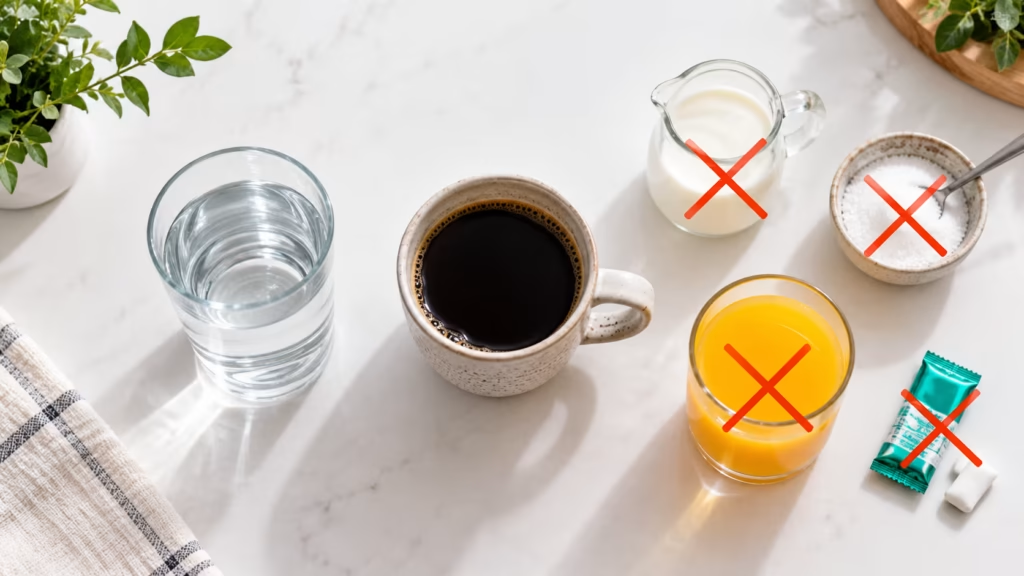
You CAN Drink
- Water – plenty of it – hydration is important as it helps blood flow
- Black tea or black coffee (with no milk, sugar or honey)
- Plain water with lemon (if lemon juice is little or minimal)
You CANNOT Consume
- Food of any kind
- Milk or milk products
- Sugar, honey or sweeteners
- Fresh juice (even fresh juice has natural sugars)
- Soft drinks or energy drinks
- Alcohol
- A piece of chewing gum (can get digestive juices going)
- Medications that have been coated with sugar (although essential medications should be taken; consult your GP)
The Night Before Your Test
Have a regular, well-rounded meal the night before. No special foods or calorie restriction is necessary. After dinner, don’t eat anything else for the rest of the evening. Drink lots of water during the evening to keep hydrated.
It is helpful for many to set a reminder on their cell phone to remind them when to begin their fast. If your test time is 8:30 AM, then you need to fast for 8 hours, which means you need to stop eating after 12:30 AM the day before (or dinner around 6-7 PM and fast overnight).
The Morning of Your Test
Get up, drink water if thirsty, and have black coffee or tea if you like. Wear comfortable, loose-fitting clothing with easily accessible sleeves—the phlebotomist needs to access your arm. Take your Medicare card and pathology request form.
Others become dizzy during a fast, particularly those who have a fear of needles. That’s completely normal. Sit down during the test, and have a snack of carbs right afterward to speed recovery.
Common Mistakes to Avoid When Fasting
Neglecting to Consider Hidden Sugars: Many people believe that black coffee is OK, then they add a little milk or honey. Small quantities can have an impact on results. Only drink black coffee or none at all.
Chewing Gum: Even sugar-free gum can stimulate your digestive system and is technically a fast violation.
Juice or Sports Drinks: Consuming juice or sports drinks is often considered “just liquid” and people forget that there are a lot of natural sugars in juice.
Supplements: Many supplements have fillers or sugars. Discuss with your GP which supplements (if any) should be taken before fasting blood tests.
Delaying Due to Hunger: It is normal to be hungry during fasting. It won’t affect your results. Don’t shy away; go and get tested.
What Happens After Your Test
Fasting Requirements for Blood Tests
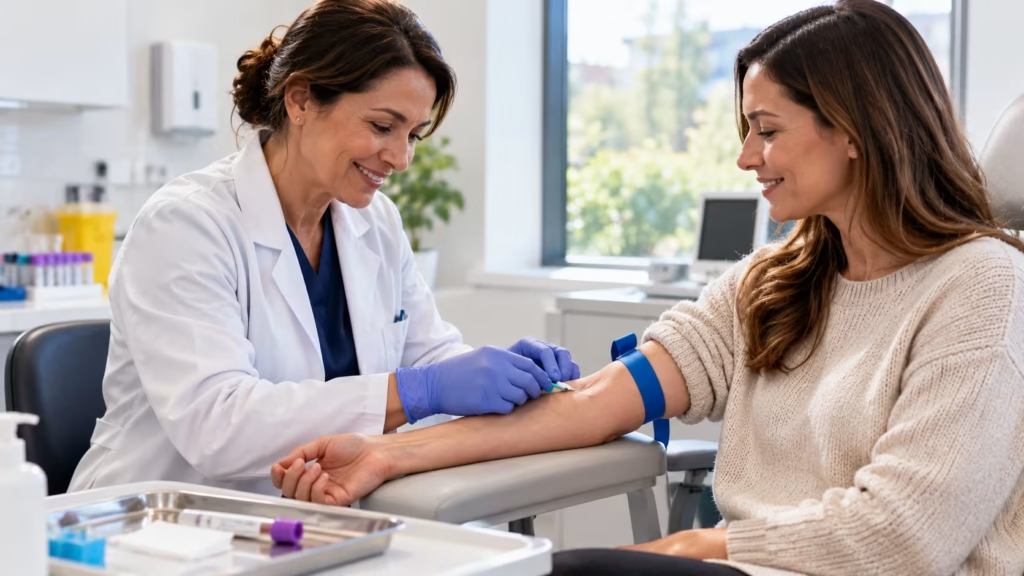
Once blood is drawn, fasting is over. Eat a good snack or meal in 30 minutes (carbohydrates and protein). Any of these options work—banana with peanut butter, sandwich, or yogurt with granola. This will avoid blood sugar crashes and help you get back to normal.
A lot of pathology clinics will serve juice or biscuits after the test for this very reason. If feeling faint, don’t hesitate to request assistance.
The Importance of Fasting for Your Health and Wellness
The key to good healthcare is accurate blood test results. When you have eaten before your lipid panel, your GP may prescribe medication that you don’t need, as your cholesterol level will be falsely elevated. But if the glucose readings are not accurate, early diabetes may be missed.
Heart disease and diabetes are major health issues in Australia, and an accurate baseline blood work is essential. Fasting helps to give your GP an accurate picture of your health and helps them to make informed decisions about your health.
FAQs
1. What if I Eat Something Before My Fasting Test?
If you eat something within a couple of hours after your test, call your pathology provider or GP right away. Depending on what you ate and how long before your test, they might still proceed or reschedule. If you eat small portions of food hours before testing, they may not make much difference to the results, but it is important that you are honest and your healthcare provider will make the final decision. Don’t keep your GP in the dark about any dietary indiscretions; they rely on accurate information to interpret results properly.
2. May I Take My Daily Medications Before a Fasting Blood Test?
Generally yes, unless your GP specifies otherwise. The results of the blood tests are not significantly influenced by most common drugs. But please check with your GP or the pathologist before your test. Certain drugs (especially diabetes drugs) may require dosage adjustments. When you book your test, your GP’s receptionist will alert you to any medication restrictions, listen carefully or ask for clarification.
3. How Can I Prevent a Low Blood Sugar Level if I Have Diabetes?
This is a point to remember: don’t skip insulin to fast for blood tests. Not taking insulin is very risky. Talk to your GP about the management of insulin around fasting tests. Typically, the diabetic patient will be tested in the morning, before the first dose of insulin is administered, or the time of the insulin will be slightly adjusted. Your GP will give you specific instructions – never assume to take care of diabetes around a test, always follow their instructions.
4. What is the Strictness of the 8-12 Hour Fasting?
It’s quite strict for accurate results. Fasting for less than 8 hours can impact lipid and glucose levels. But don’t worry, if you fast for more than 12 hours, it’s just that you’re waiting longer. If your appointment is late morning, and you haven’t eaten since the last night’s dinner, you may be fasting 14+ hours. This is okay and will not have a negative impact on the results.
5. Should I Fast for My Normal Yearly Health Examination?
This will depend on the tests included. Yes, if lipid profiles and glucose tests are part of your health check, you must fast. No, if it is an examination with standard questions. Always ask if there is a need to fast when booking your yearly health check. Your GP’s receptionist will confirm and will remind you when you ring the day before your appointment.
Prepare Properly and Get the Right Results
While fasting for blood tests might seem inconvenient, it’s a small price to pay for accurate health information. If you understand what you need and take the necessary steps, it is easy. Prepare yourself for success: verify fasting requirements at booking, plan the night before and know what is and isn’t allowed.
Your blood test results are important and help Belconnen General Practice keep you healthy. With accurate results, made possible through proper fasting, you will make better health care decisions and achieve better health outcomes.
Have an upcoming blood test? Please check with your GP or pathology service provider today to ensure you are fasting correctly. Correct results are the key to good health.