
Menopause. For many women, the word brings to mind hot flashes, mood swings, and sleepless nights. But many women don’t realize that their GP can offer support for menopause that goes well beyond hormone replacement therapy.
At Belconnen General Practice, we recognize that the menopausal transition is complex, multifaceted, and unique to each individual. Whether you’re in perimenopause, experiencing full menopause, or are well into post menopause, our GP services in Belconnen provide comprehensive support. We address not only hormonal changes but also the physical, emotional, and lifestyle aspects of this significant life stage.
This guide will explore the full range of menopause support available from your GP, covering hormone options, lifestyle adjustments, complementary therapies, and the importance of personalized care.
Understanding Menopause: More Than Just Hot Flushes
What Is Menopause?
Menopause signifies the end of a woman’s reproductive life. It’s officially confirmed when a woman hasn’t experienced a menstrual period for a full year. However, the transition period leading up to menopause, called perimenopause, can span between 4 to 10 years. It’s really important to understand this phase so you can get the right menopause support from your doctor when you need it.

Healthcare professional providing personalised menopause care through holistic symptom management and mental wellbeing support.
The Three Stages
Perimenopause (The Transition): Defined by 12 months without menstruation, this marks the official milestone, though symptoms often persist
Menopause (The Event: The years following menopause are when women remain postmenopausal for the rest of their lives, and ongoing menopause support from your GP remains valuable for managing long-term health.
Postmenopausal: The years after menopause. Women stay postmenopausal for their entire lives, so ongoing support from your doctor is still important for managing your long-term health.
Why Symptoms Occur
As women go through menopause, their ovaries produce lower levels of estrogen and progesterone. These hormones play a crucial role in more than just reproduction; they also influence body temperature, mood, bone density, and how well the heart and blood vessels function. When these hormone levels decrease, the body undergoes considerable changes, which is precisely why the support of an expert menopause GP in Belconnen can be so beneficial.
The Full Spectrum of Menopausal Symptoms
Vasomotor Symptoms (Hot Flushes and Night Sweats)
Hot flushes are the most well-known symptom of menopause. They’re characterized by sudden, intense feelings of heat, often with sweating and redness in the face and neck.
Why they happen: The reason they occur is that decreasing Oestrogen levels interfere with your brain’s ability to regulate body temperature
Impact: These hot flushes, especially when they happen at night, can significantly disrupt sleep, resulting in tiredness and changes in mood.
Urogenital Changes
A lot of women aren’t aware that vaginal dryness, pain during sex, and urinary problems can be signs of menopause. These issues happen because lower estrogen levels impact how elastic and moist vaginal tissues are.
Psychological Symptoms
- Mood swings
- Irritability
- Anxiety
- Depression
- Brain fog (often called “menopause brain”)
- Memory problems
These symptoms aren’t just in your head; they’re actually physical reactions to changing hormone levels.
Metabolic and Weight Changes
Menopause often brings unexpected weight gain, particularly around the abdomen. Metabolic rate slows, and changes in appetite regulation occur.
Sleep Disturbances
In addition to night sweats, many women goings through menopause also struggle with insomnia, waking up frequently, and not getting restful sleep.
When you talk to your GP about menopause support, make sure to mention all your symptoms, not just the hot flushes. This way, you’ll get care that truly addresses your individual experience.
Hormone Replacement Therapy (HRT): What You Need to Know
Myths vs. Reality
Hormone replacement therapy (HRT) has been a subject of debate ever since the significant Women’s Health Initiative (WHI) study was published in 2002.
Nevertheless, more recent research indicates that HRT may be safer than previously thought, especially when initiated nearer to menopause and at suitable dosages.
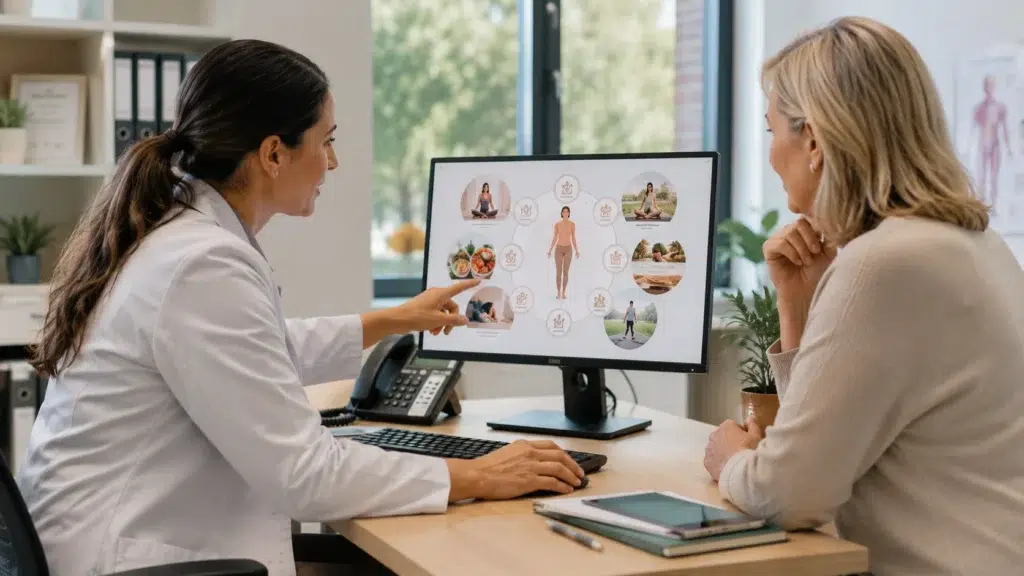
Female GP discussing menopause support and treatment options beyond hormone therapy with a middle-aged woman during a consultation.
Types of HRT
Oestrogen-Only HRT: For women without a uterus. Available as tablets, patches, gels, or sprays.
Oestrogen Plus Progestin: For women with an intact uterus. The progestin protects against endometrial cancer.
Bioidentical Hormones: Chemically identical to hormones your body produces. These are available through compounding pharmacies and are increasingly prescribed by menopause GP Belconnen practitioners.
Is HRT Right for You?
Potential benefits:
Provides effective relief for hot flushes and night sweats.
- Helps improve vaginal dryness.
- Contributes to better sleep quality.
- Reduces mood disturbances.
- Aids in preserving bone density.
- Offers cardiovascular benefits, particularly when initiated early.
Considerations:
- There’s a slightly increased risk of blood clots, especially with oral forms.
- The risk of breast cancer is minimally increased, and this risk goes down once you stop treatment.
- Your personal health history is very important.
- During your menopause GP consultation in Belconnen, it’s important to have a detailed conversation about your personal and family health history to figure out if HRT is the right choice for you.
Duration of Use
Many women use HRT for about 5 to 8 years, and some continue it for longer. It’s a personal choice, as there isn’t a single approach that works for everyone.
Beyond Hormone Therapy: Comprehensive Menopause Support from Your GP
Lifestyle Modifications
Nutrition and Diet
What you eat significantly impacts menopausal symptoms.
- Phytoestrogens: Phytoestrogens are plant-based compounds found in foods like soy products, flaxseeds, and legumes. They can have a mild estrogenic-like effect, and some women find them beneficial.
- Calcium and Vitamin D: Calcium and Vitamin D are vital for maintaining bone health after menopause. It’s recommended to aim for 1,000 to 1,200 mg of calcium daily, along with sufficient vitamin D, which can be obtained from sunlight, food, or supplements.
- Limiting Triggers: Reducing intake of caffeine, spicy foods, and alcohol can help decrease hot flashes for many women.
- Regular Meals: Eating regular meals helps keep blood sugar stable, which can manage mood swings and energy levels.
- Exercise and Movement: Regular physical activity is transformative during menopause.
- Cardiovascular Exercise: Aim for 150 minutes of moderate cardiovascular exercise each week to help reduce hot flashes and support heart health.
- Strength Training: Strength training is important for preserving bone density and muscle mass. Try to do 2-3 sessions per week.
- Yoga and Pilates: Many women find yoga and Pilates especially helpful for managing stress and improving pelvic floor health.
- Walking: A simple, accessible activity that’s great for your mood, heart health, and bone density.
Sleep Hygiene
Getting good sleep is absolutely essential during menopause.
- Make sure your bedroom is cool, ideally between 16-18°C.
- Try to go to bed and wake up around the same time every day.
- Put away screens for an hour or two before you hit the hay.
- Cut off caffeine after noon.
- You might want to try bedding that wicks away moisture.
Stress Management and Mental Health
Menopause and stress have a two-way relationship: menopause can make you more sensitive to stress, and stress, in turn, can make menopausal symptoms feel worse. When seeking support for menopause from your GP, it’s important that they also screen for and offer support regarding your mental health.
Helpful approaches:
Here are some helpful approaches:
- Mindfulness and meditation
- Cognitive behavioural therapy (CBT)
- Counselling
- Support groups (these can be especially helpful for sharing experiences.
- Breathing techniques
Vaginal Health Without Systemic Hormones
For women who can’t or prefer not to use systemic HRT, vaginal symptoms can be addressed through:
- Vaginal Oestrogen: This is available in the form of creams, tablets, or rings. It offers localized hormone therapy with very little absorption into the rest of the body.
- Vaginal Moisturisers: These are non-hormonal options that provide hydration and can be used daily.
- Lubricants: Whether water-based or silicone-based, these products can enhance comfort during sexual activity.
- Regular Sexual Activity: Whether water-based or silicone-based, these products can enhance comfort during sexual activity.
Complementary and Alternative Approaches
Evidence-Based Supplements
While evidence isn’t as robust as for HRT, some supplements show promise:
- Black Cohosh: Some women find it helps reduce hot flushes and night sweats. It’s typically used for about six months.
- Red Clover: This contains isoflavones, which are similar to those found in soy. The evidence is mixed, but some women report that it helps them.
- Sage Leaf Extract: Certain studies suggest that it can decrease hot flushes and night sweats.
- Magnesium: This mineral might help with sleep, mood, and muscle tension.
It’s always a good idea to talk to your menopause GP in Belconnen before you start taking any supplements. They can interact with other medications and might not be the right choice for everyone.
Traditional Approaches
Many women find value in:
- Traditional Chinese Medicine, acupuncture, and herbal medicine (when guided by a professional) to be beneficial.
- Although research in these areas is still developing, if these methods help you feel better and don’t conflict with your standard medical treatment, they can certainly be included in your overall wellness strategy.
While evidence is limited, if these approaches help you feel better and don’t interfere with conventional care, they can be part of your support plan.
Bone Health: A Critical Concern
Why Bones Matter in Menopause
Estrogenic is really important for keeping bones strong. After menopause, women tend to lose bone density faster, which makes them more likely to develop osteoporosis and break bones.
Prevention Strategies
Here are some things that can help maintain bone health:
- Getting enough calcium and vitamin D
- Doing weight-bearing and strength training exercises
- Cutting back on alcohol and caffeine
- Avoiding smoking
- Having a DEXA scan around age 70, or sooner if you have risk factors.
Cardiovascular Health in Menopause
The Menopause-Heart Connection
After menopause, women’s cardiovascular disease risk increases dramatically. Oestrogen has protective cardiovascular effects, and its loss is significant.
Protective Measures
Engage in regular cardiovascular exercise.
- Adopt a healthy diet, such as the well-researched Mediterranean diet.
- Maintain a healthy weight.
- Regularly monitor your blood pressure and cholesterol levels.
- Practice stress management techniques.
- If you smoke, seek support to quit.
HRT and Heart Health
Starting hormone replacement therapy (HRT) soon after menopause, within 10 years of its onset, might provide protection for your heart. It’s a good idea to discuss this with your menopause specialist at GP Belconnen
Cognitive Changes and Brain Health
“Menopause Brain” Is Real
Many women notice issues with their memory, concentration, and experience “brain fog” when they go through menopause. These aren’t early signs of dementia, but rather real neurological effects caused by hormonal shifts.
Supporting Cognitive Function
- Regular exercise: Particularly aerobic activity
- Quality sleep: Essential for memory consolidation and cognitive function
- Cognitive engagement: Learning new skills, puzzles, reading
- Social connection: Reduces cognitive decline risk
- Mediterranean diet: Associated with better cognitive outcomes
- Stress management: Chronic stress impairs memory and concentration
When to See Your GP: Timing and Frequency
Initial Consultation
Book a menopause GP Belconnen appointment if you:
- Are experiencing symptoms that are impacting your quality of life.
- Are entering perimenopause and would like some guidance.
- Have questions about HRT or other treatment options.
- Need to be screened for health risks associated with menopause.
Ongoing Support
When it comes to menopause support from your GP, it’s not just a single appointment. Regular check-ins are really helpful because they allow you to:
- See how well your symptoms are being managed.
- Make any necessary changes to your treatment.
- Get screened for potential long-term health risks.
- Talk about any new issues that have come up.
Many women find that having an annual review focused on menopause is beneficial, especially during perimenopause and the early years after their periods have stopped.
Creating Your Personalised Menopause Support Plan
The Collaborative Approach
Working with your GP for the best menopause support means collaborating. Here’s what your GP should do:
Listen carefully to your specific symptoms and concerns.
- Clearly explain the available options.
- Respect your personal preferences.
- Tailor recommendations to your individual needs.
- Offer ongoing support and be willing to make adjustments.
Your Role
- Be open and honest about your symptoms and how they affect you.
- Talk about your health goals.
- Share any concerns you have about potential treatments.
- Provide feedback on what treatments are effective and which ones aren’t.
- Actively participate in making lifestyle changes.
Moving Forward: Menopause as a New Chapter
Menopause isn’t an ending, but rather a transition into a new phase of life. Many women discover that the years after menopause can bring surprising freedom and energy, especially with the right support.
The most important thing is to approach this transition holistically, focusing on your physical, emotional, and social well-being.
Your GP can provide menopause support that empowers you with information, choices, and continuous care designed for your specific needs. You don’t have to go through this alone.
Call to Action
If you’re experiencing menopausal symptoms or approaching this significant life transition, don’t wait another day. Book a consultation with your GP at Belconnen General Practice today to discuss menopause GP Belconnen services and create a personalised support plan.
Whether you’re considering HRT, exploring lifestyle modifications, managing specific symptoms, or simply want guidance through this transition, our experienced GPs are here to listen, advise, and support you.
Schedule Your Menopause Consultation or to book your appointment. Let us help you navigate menopause with confidence, comfort, and care.
You deserve support that honours this important life transition. Belconnen General Practice is here for you.
FAQ’S
1. Do I have to take hormone replacement therapy (HRT) during menopause, or are there other options?
Absolutely not—HRT is one option among many, not a requirement. If you experience menopausal symptoms, your choices include:
- Lifestyle modifications (diet, exercise, stress management)
- Non-hormonal medications (like SSRIs for hot flushes and mood symptoms)
- Vaginal hormone therapy (for localised symptoms only)
- Complementary approaches (acupuncture, herbal remedies)
- Combinations of the above
Some women prefer lifestyle-only approaches and find them sufficient. Others benefit tremendously from HRT. The right choice is deeply personal and depends on your symptoms, health history, preferences, and values. Your menopause GP Belconnen should explore all options with you, not push you toward one particular treatment.
2. Is HRT dangerous? I’ve heard conflicting information about safety.
The safety of HRT has been genuinely confusing because of changing evidence over the years. Here’s the current, evidence-based picture:
The old concern: The 2002 Women’s Health Initiative study suggested increased risks of breast cancer and blood clots, causing many women to stop HRT.
The updated evidence: More recent research shows that:
- HRT is generally safe for most women when started near menopause
- The risk of breast cancer is minimal and decreases after stopping
- Blood clot risk is higher with oral forms but very low with patches
- Benefits for hot flushes, bone health, and quality of life are significant
The bottom line: HRT safety depends on individual factors—your age, health history, family history, and type of HRT. Your menopause support from your GP should include an honest discussion of your personal risk-benefit ratio. For many women, the benefits outweigh the risks.
3. How long should I stay on HRT? Is there a time limit?
There’s no fixed “expiry date” for HRT. The duration is individualised and depends on:
- Why you’re taking it: Symptom relief vs. bone health vs. cardiovascular protection
- How you’re responding: If symptoms return when you reduce the dose, you might continue longer
- Your changing health status: Life circumstances, health developments, and personal preferences evolve
- Your goals: Some women use HRT for 5-8 years; others use it longer
Many women gradually reduce their dose over time (rather than stopping abruptly) once symptoms are well-managed. The key is regular menopause GP Belconnen check-ins to review whether HRT is still meeting your needs and whether adjustments would help. This is a conversation, not a prescription set in stone.
4. Can I manage menopausal hot flushes without medication through lifestyle changes alone?
It depends on the severity of your symptoms and how committed you are to lifestyle modifications. Many women find that combination approaches work best:
Lifestyle changes that genuinely help:
- Regular exercise (150+ minutes weekly significantly reduces hot flushes)
- Cool sleeping environment (16-18°C)
- Avoiding triggers (caffeine, alcohol, spicy foods, stress)
- Yoga and mindfulness (reduces frequency and intensity)
- Weight management (obesity increases hot flush severity)
Reality check: While these modifications help many women, they don’t eliminate hot flushes for everyone. Some women with severe symptoms find lifestyle alone insufficient—and that’s okay. The goal isn’t to tough it out; it’s to feel comfortable and sleep well. If lifestyle changes alone aren’t giving you the relief you need, discussing HRT or other options with your menopause GP Belconnen is absolutely appropriate.
5. I’m worried about “menopause brain” affecting my work and memory. Is there anything I can do?
Yes, absolutely—and you’re right to take this seriously. “Menopause brain” (memory problems, difficulty concentrating, brain fog) is real and frustrating. The good news? It’s manageable:
Evidence-based strategies:
- Aerobic exercise: 150+ minutes weekly significantly improves cognitive function
- Quality sleep: This is crucial—poor sleep devastates memory and concentration. Address sleep issues with your GP
- Cognitive engagement: Learn new skills, do puzzles, read challenging material
- Social connection: Regular social interaction protects cognitive function
- Mediterranean diet: Associated with better memory and concentration
- Stress management: Chronic stress impairs memory; meditation and mindfulness help
- Omega-3 fatty acids: Some evidence suggests these support brain health
- Adequate sleep and rest: Your brain does its best work when well-rested
Most women find that cognitive symptoms improve with HRT if they choose that option, but the lifestyle approaches above work independently of hormone status. If cognitive changes are severe or accompanied by other concerns, your menopause GP Belconnen can rule out other causes and provide comprehensive support.