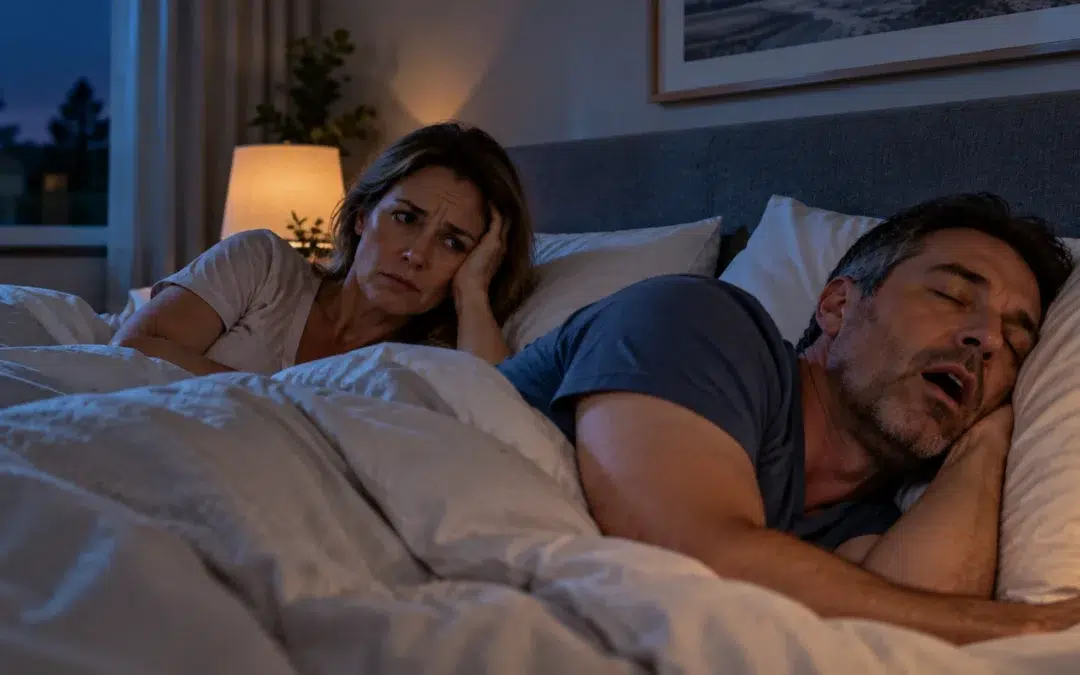
Sleep is essential to good health. Good sleep helps the immune system, emotional balance, and physical recovery. Sleep problems are a common occurrence in many Australians and they think of them as normal. If you have poor sleep for several weeks, you should seek advice from your GP.
Poor sleep has a negative impact
Poor sleep has an adverse effect.
When you don’t get enough sleep, it impacts all of your systems. Poor sleep over time can lead to heart disease, diabetes and stroke. It affects concentration, memory and decision making. Poor sleep leads to poor mood, increased anxiety and depression.
Poor sleep makes weight management challenging. Without sleep, hormones that control hunger are affected. Craving for sweet and fat foods is stronger. It becomes more difficult to exercise, and weight gain is likely.
Persistent sleep issues make it difficult to function in daily life. Fatigue impacts work performance, relationships and safety. Being drowsy while driving is as dangerous as driving while intoxicated.

Sleep Problems When to See Your GP
But a lot of people normalize these struggles. They think that as they get older or live in the modern world, they have to accept that they will never get a good night’s sleep. In fact, there are effective treatments available. Your GP can help you find out what is causing the problem and what can be done about it.
Types of Sleep Problems
Insomnia
Insomnia is a condition characterized by either an inability to fall asleep or stay asleep. You might be exhausted and still not be able to fall asleep. Or you might wake up several times during the night and not be able to fall back asleep.
Short-term insomnia is caused by stress, travel or significant life changes. This type typically clears up when things get better. If insomnia is chronic (lasting more than 3 months) it should be assessed by a GP.
Sleep Apnoea
Sleep apnoea is a condition characterised by repeated episodes of breathing pauses during sleep. Your airway collapses partially or completely, which interferes with oxygen getting to your body. These disruptions disrupt sleep and prevent the deeper, restorative stages of sleep.
The most common type of sleep apnoea is obstructive sleep apnoea. When there is too much tissue or too much relaxation of the muscles, airways become narrow. Central sleep apnoea is when the brain fails to provide the correct breathing signals.
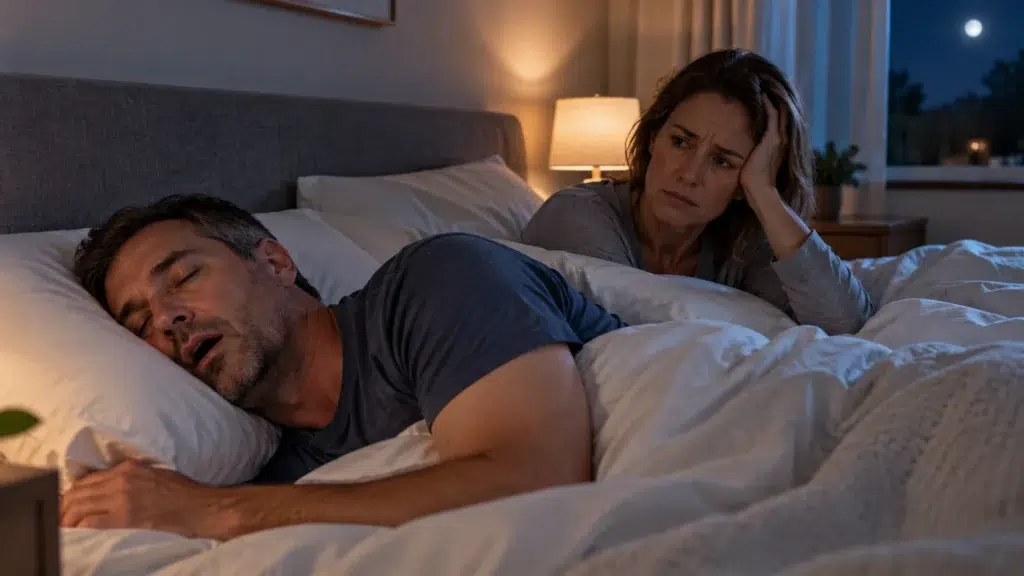
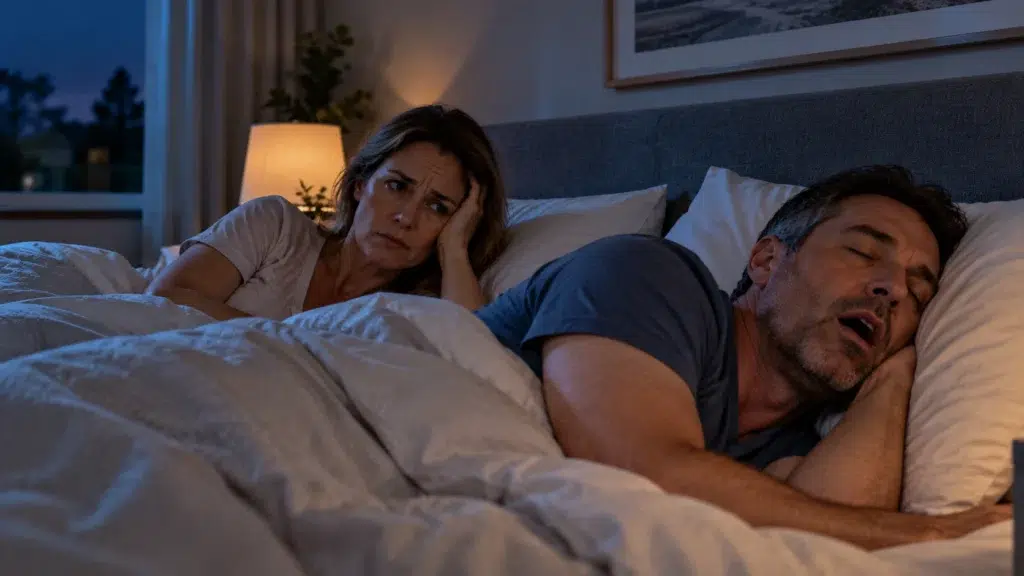
Sleep apnoea often goes undiagnosed. Symptoms are usually noticed by partners and include loud snoring, gasping for breath or witnessed pauses in breathing. The affected person may only feel tired in the day.
Restless Leg Syndrome
Restless leg syndrome is a condition that produces uncomfortable sensations in the legs such as tingling, crawling or aching feelings. These feelings are worse while lying down or in bed. It’s hard to not want to move your legs.
Movement of the legs temporarily alleviates sensations. This repetitive motion can interfere with sleep and keep the person from getting a good night’s rest. Despite adequate sleep time, daytime fatigue occurs.
Narcolepsy
Narcolepsy is characterized by excessive daytime sleepiness and sleep attacks. Narcoleptics fall asleep suddenly after just a few moments of sleep. Narcolepsy can be accompanied by cataplexy, a sudden loss of muscle strength caused by emotion.
This condition greatly affects the ability to function in everyday life. Specialised testing is needed for diagnosis. Your GP will be able to recognise symptoms and organise suitable assessment.
Circadian Rhythm Disorders
Your body has its own internal clock of 24 hours. This rhythm controls sleep-wake cycles, hormone release and body temperature. Disruption leads to ongoing sleep difficulties.
Circadian disruption is a condition of shift workers. Irregular work hours make it difficult to maintain regular sleep times. Regularly crossing time zones causes temporary disruption.
Delayed sleep phase syndrome is a condition in which it is hard to fall asleep until late in the day. Early morning waking makes it difficult to get a good night’s sleep.
When to See Your GP
There are a number of indications that should prompt a professional evaluation. If sleep problems last longer than 2 weeks, make an appointment. If you wake up a lot during the night, even though you have plenty of sleep, it’s worth assessing.\
Sleep Problems When to See Your Belconnen GP, ACT
If you feel sleepy during the day, even after getting 7-9 hours of sleep, it means that your sleep quality is not good. Sleeping during conversations, work or driving is serious concern. These symptoms indicate a sleep disorder.
If there are witnessed pauses in breathing, the snoring is loud, and it is an emergency. Your partner’s observations are important—he or she may see symptoms that you do not. If left untreated sleep apnoea can be life-threatening.
If you have headaches in the morning, particularly if you are also tired during the day, it is a sign of sleep issues. If you are not feeling rested after a good night’s sleep, it means that your sleep cycles are disrupted.
If sleep problems are accompanied by mood changes, they should be assessed. Sleep disorders often coincide with depression and anxiety. Treatment of sleep may lead to better mental health.
What Happens During GP Assessment
Your GP will ask questions about your sleep. They ask you about your sleep schedule, when you go to bed and when you get up, as well as how many times you wake up during the night. Knowing how well you sleep (restful sleep) is important.
Attention is given to daytime symptoms. Diagnosis is based on fatigue, mood changes, and problems with concentration. Your GP asks about the impact on work, relationships and safety.
Medical history review is used to detect sleep disorders. Sleep is disturbed by chronic pain, diabetes and heart disease. Asthma and reflux are worse at night. Insomnia is often a symptom of depression and anxiety.
A review of medications is a must. Numerous medicines can disrupt sleep, such as blood pressure drugs, stimulants, and antidepressants. Your GP will consider changing your medication if they think it could help.
Lifestyle factors are discussed. Consuming caffeine or alcohol, timing of exercise and screen time all impact sleep. This can be caused by stress at work or relationship problems. Your GP will collect a full picture.
Your GP may recommend keeping a sleep diary. Objective information is provided by recording sleep and wake times and daytime symptoms. Diagnosis is guided by a week or two of diary entries.
Blood pressure and weight measurements may be part of a physical exam. Your GP may examine your throat to check if your airways are blocked. Sometimes blood tests reveal factors that contribute to the problem, such as thyroid problems.
Sleep Study Testing
If sleep apnoea is suspected, your GP may refer you for a sleep study. At home sleep studies track breathing patterns, oxygen levels, and sleep stages. Additional sensors are used in hospital-based studies to give more detailed information.
Diagnosis is confirmed by sleep studies and treatment is directed by them. Results display the number of times breathing stops, the length of breathing interruptions, and sleep stage disruption. This information helps to guide treatment.
Lifestyle Changes to Help You Sleep Better
The following lifestyle changes can help you sleep better: These lifestyle changes can help you sleep better:
Your GP will usually suggest lifestyle changes as the first step. These changes are helpful for the majority of individuals who have sleep issues.
- Follow a regular sleep-wake cycle: Sleep and get up at the same time every day, including weekends. This regularity aids your body clock to regulate sleep-wake cycles. It is more important to get the same amount of sleep each night than to get a lot of sleep.
- Bedroom environment: Make your bedroom dark, quiet and cool. Melatonin is stimulated by darkness. Most people prefer temperatures of 15-19°C. Get rid of televisions and electronic devices.
- Light exposure: Morning sunlight helps regulate circadian rhythms. Enjoy time in the fresh air during the morning. No bright light in the evening – blue light from screens inhibits melatonin.
- Exercise: Exercise is a good way to get a better night’s sleep. Exercise in the morning or afternoon is best. Try not to do strenuous activity within three hours of sleep.
- Caffeine management: Caffeine has a 6-8 hour effect on sleep. Reduce caffeine to the early part of the day. Caffeine is found in tea, chocolate and energy drinks.
- Alcohol reduction: Alcohol may help onset of sleep but leads to night wakings. Cutting back on or abstaining from alcohol leads to better sleep. Symptoms usually occur within weeks.
- Relaxation techniques: Deep breathing, progressive muscle relaxation, and meditation relax your nervous system. Practice makes sleep better. There are guided meditation apps that offer structured guidance.
- Screen time: No screens 30-60 minutes before bed. Melatonin is inhibited by blue light. Reading or quiet activities calm your mind for sleep.
- Eating habits: Do not eat too much right before going to sleep. Most people will do well with light snacks. Eating or having a full tummy both interfere with sleep.
Medical Treatments for Sleep Problems
Sleep treatments include medication. Medications are used in medical treatments for sleep problems.
If lifestyle changes do not improve your condition, your GP will talk to you about medical treatment.
- Insomnia CBT-I: A structured therapy that focuses on thoughts and behaviours that are contributing to insomnia. It is very effective in treating chronic insomnia. Your GP may be able to refer you to psychologists who specialise in sleep.
- Sleep medications: Your GP may recommend short-term medication whilst implementing lifestyle changes. There are several options available, your GP will choose the best one for you. Medication is reviewed regularly to ensure it is appropriate.
- Treatment for sleep apnoea: CPAP machines provide pressurised air via a mask to help keep airways open. There are other devices available for those who cannot tolerate CPAP. Treatment is a long-term process, but can make a huge difference.
- Specialist referral: Certain sleep issues can be helped by specialist assessment. Complex cases can be referred to sleep medicine doctors or sleep clinics by your GP.
Sleep Problems When to See Your Belconnen GP
Sleep and Mental Health
There is a close relationship between sleep and mental health. Depression and anxiety are exacerbated by poor sleep. Depression and anxiety, on the other hand, disrupt sleep. When you’re sleeping, your mental health can improve.
When you talk to your GP about sleep, they will take your mental health into account. Comprehensive treatment is guided by screening for depression and anxiety. In some cases, sleep is improved by treating underlying mental health without any special sleep interventions.
Getting Ready for Your GP Appointment
Get some information before your appointment. Record your usual sleep patterns, when you wake up and how you feel during the day. Note if your partner observes anything unusual about your sleep.
Include any factors that are making sleep more difficult—work stress, relationship problems, health changes. Record the onset of sleep difficulties and what occurred around that time.
Take a list of current medications and supplements. Add over-the-counter remedies (many have an impact on sleep). Caffeine and alcohol intake information will assist your GP to understand factors that may be affecting your sleep.
FAQs
How many hours of sleep do I really require?
Most adults require 7-9 hours sleep per night, but this varies from person to person. Some people need 9 hours, others need 7. The quality of sleep is as important as the quantity, 7 hours of deep sleep is better than 9 hours of fragmented sleep. Your GP will check if you are sleeping enough and if it is restful. If you are getting 9 hours of sleep and still feeling tired during the day, there is a problem with your sleep. Try different times in the 7–9 hour window to discover your own best time, and stick to it!
Does it happen to you to wake up shortly during the night?
It’s normal to have brief awakenings, most people do not sleep solidly. It is normal to wake up one or two times a night, but not fully alert. When you wake up multiple times and can’t get back to sleep or when you wake up fully and feel alert, there are problems. If you’re waking up five or more times a night and are having trouble getting back to sleep, it’s worth assessing. Your GP will be able to tell the difference between normal short periods of waking up and sleep fragmentation that is causing a problem, by asking you in detail about your sleep pattern and daytime function.
If I have trouble sleeping regularly, should I take sleeping pills?
Sleeping pills may be used for short-term, but not long-term. Numerous sleep aids become ineffective over time and can be addictive. Lifestyle changes are usually the first treatment recommended by your GP. When a medicine is needed, your GP prescribes the minimum effective dose for the shortest time. Medication is reviewed regularly to ensure it is appropriate. CBT-I is an effective treatment for insomnia that can last long-term without the use of medication. Your GP will talk to you about the pros and cons of the treatment and make recommendations based on your needs.
Will my GP be able to check if I have sleep apnoea?
Yes, your GP can check for sleep apnoea symptoms by asking questions and doing a physical examination. If your GP suspects that you may have sleep apnoea, he or she will organise a sleep study. At home sleep tests record breathing, oxygen and sleep stages. Studies conducted in hospitals give more detailed information. Your GP will analyse your results and discuss treatment options with you. Serious complications such as heart attack and stroke can be avoided with early detection and treatment. Avoid dismissing symptoms such as snoring with documented pauses in breathing or unexplained daytime sleepiness – these should be evaluated by a sleep study.
When will I start to see results from lifestyle changes?
Most people start to see improvements after 1-2 weeks of regular lifestyle changes. Multiple changes are most likely to lead to better sleep, including a consistent sleep schedule, improving the bedroom environment, exercise, and cutting back on caffeine. But patience is needed as deeper improvements take 4-8 weeks to develop fully. Your GP monitors progress at follow-up appointments. If there is not significant improvement after 4-6 weeks of regular practice, further evaluation or treatment may be beneficial. Consistency is more important than perfection – even partial compliance with recommendations has a noticeable effect.
The First Step is the most important step
Insomnia is a frequent and treatable condition. There’s no need to keep suffering from insomnia. Your GP in Belconnen will be able to diagnose the cause and suggest appropriate solutions that work for you.
If sleep disturbances last for more than 2 weeks, make an appointment. Take information regarding your sleep and symptoms during the day. Be honest about lifestyle factors that impact sleep.
Good sleep is possible. Contact Belconnen General Practice, we can help you get a better night’s sleep and feel more energised during the day, with your help and willingness to change.
It’s essential for your health!