Getting Older Doesn’t Mean Getting Sicker
The notion that as we get older, things fall apart isn’t quite correct. Many older people remain active, full of energy, and involved well into their later years.
It is not a coincidence. It’s about making wise decisions today and maintaining good health throughout your life.
The key to healthy ageing is not difficult. It’s all about developing positive habits, regular check-ups, and active lifestyles that suit you. The positive thing is that it doesn’t have to be perfect; little changes over time will make a difference.
Healthy Ageing Belconnen
What is Healthy Ageing?
Healthy ageing is not a matter of not getting sick. It’s about enjoying the activities you want to do, whether it’s spending time with family, hobbies, or being independent.
It is having the energy for the day, a sharp mind, social connections, and good control of any health issues. It’s about keeping your lifestyle and enjoying what you do.
Most importantly, it means having choice and autonomy in your later years. You want to age at your own pace, not because of health problems.
The Big Things That Make a Real Difference
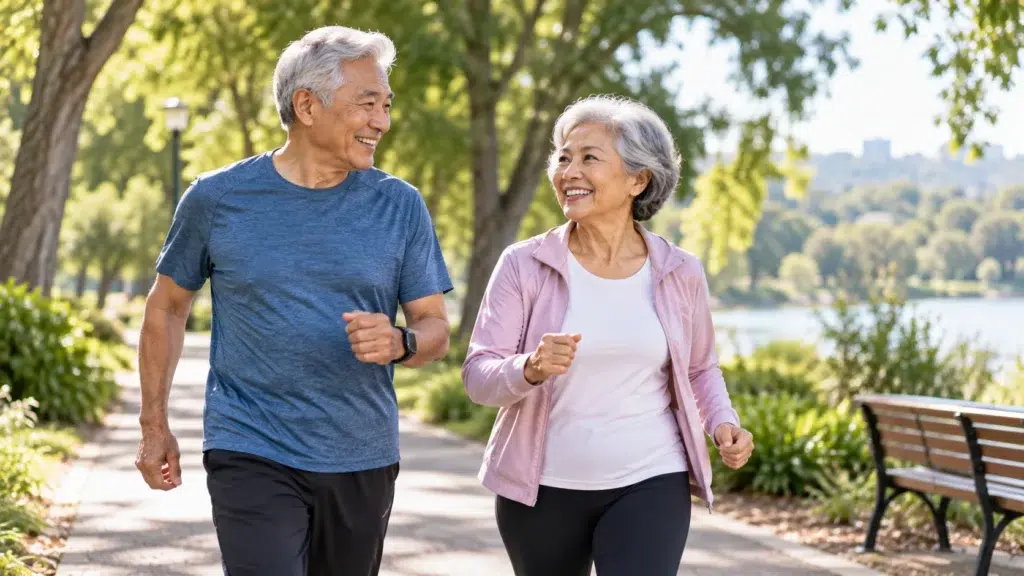
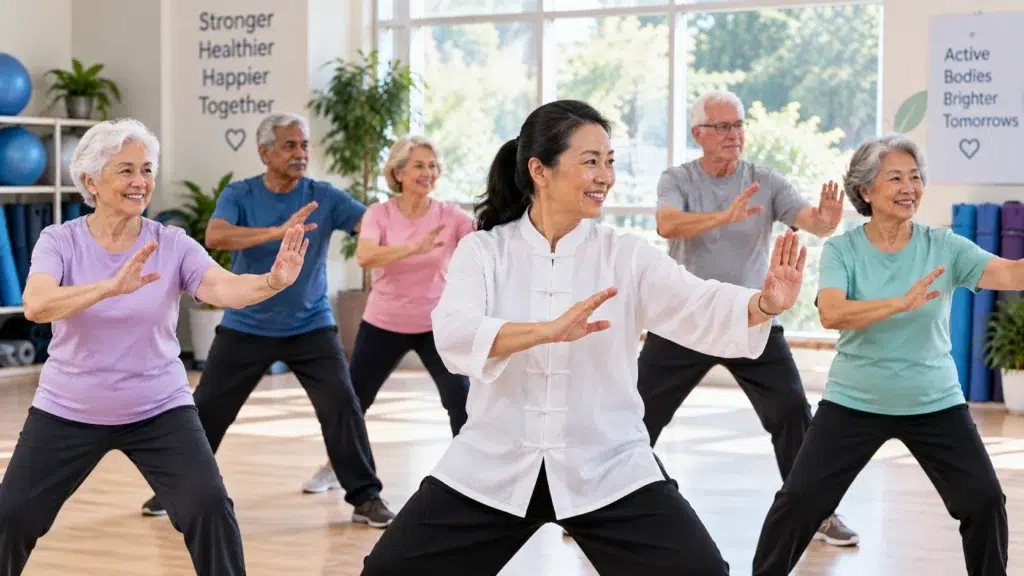
Movement matters. Don’t run marathons. Your bones are strong, and your heart is happy when you walk, garden, swim, do tai chi, or dance for 30 minutes most days.
Falls can be prevented by regular movement; your joints will stay mobile, and your brain will stay sharp. Plus, it’s typically something you can do with friends or family, so it checks off several boxes.
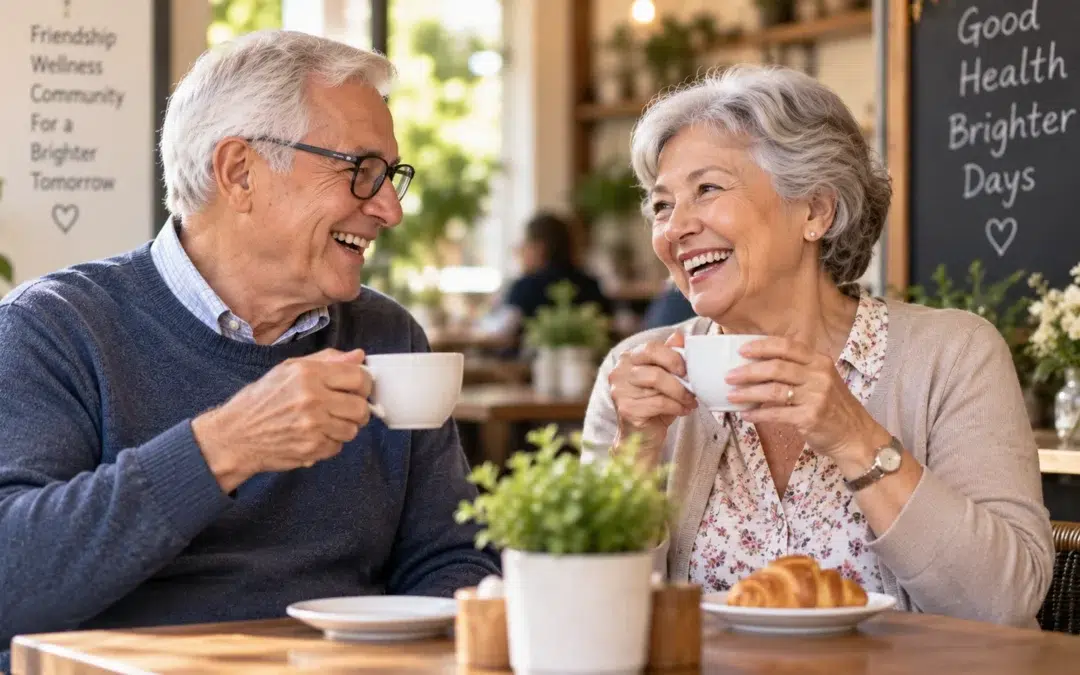
It’s a big deal to stay connected. As you get older, loneliness is a serious health issue. Being isolated is associated with increased depression, heart disease, and even premature death.
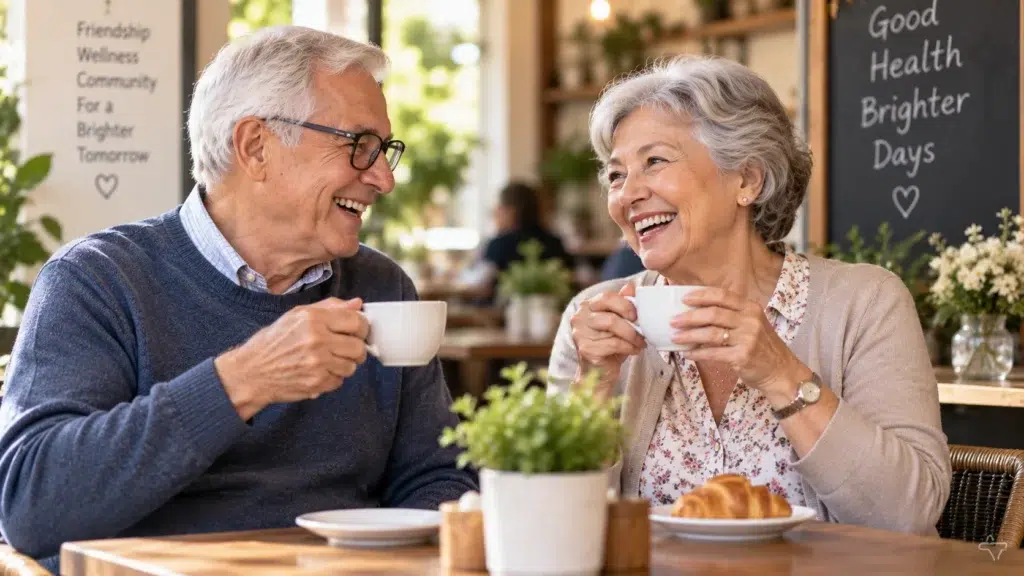
Having regular contact with family and friends is not only pleasant, but it is also a key element of well-being. It could be a cup of coffee each week, a phone call, or even video calls with grandkids. Quality is more important than quantity.
As you get older, there’s no need to make a lot of changes to your diet. Your body is running smoothly with mostly whole foods, lots of vegetables, lean protein, and healthy fats.
As you age, you may need to focus on calcium for bone health and vitamin B12, which is less well absorbed with age. But, primarily, the same good tips that apply at any age.
Sleep is even more critical. Older adults require 7–8 hours. If sleep has been up and down for a while, it’s worth getting sorted out as it impacts all aspects of life, emotional health, immune system, memory and activity.
By controlling stress, you can maintain a stronger immune system and avoid many age-related illnesses. Whether it’s gardening, reading, meditation, or simply sitting with a cuppa, some things make you feel relaxed, and that really helps your health.
Regular Health Checks Prevent Problems
After about 50, routine health evaluations are a real concern. Your GP can check for conditions such as high blood pressure, diabetes, and high cholesterol levels before you experience any symptoms.
Healthy Ageing Belconnen, ACT
There are many age-related conditions that don’t have any clear symptoms in the beginning. If you catch them at a check-up, you can deal with them before they become a problem.
Your GP can also check if any medicines you are taking are suitable and ensure they are correct. Sometimes people find that they are on medications that no longer work for them, or combinations of medications that react with each other in ways you were not aware of.
A comprehensive exam will also detect other issues such as bone density, vision and hearing problems, and cognitive changes. These are typically things that people don’t think about until they have a problem.
Maintaining independence and activity
Staying independent as you age depends a lot on staying physically active. Balance and strength exercises are particularly important to avoid falls.
As you age, a simple fall can have huge repercussions. It can result in a fractured hip, loss of confidence, and a true loss of independence. Keeping fit is indeed one of the most important things to prevent falls.
Even activities such as walking up and down the stairs, cleaning the house or gardening are good ways to keep your strength up for everyday living. Standing on one foot while brushing your teeth is also a form of balance exercise.
If you have not been active for some time, it is important to seek advice from your GP about the type of activity that is safe and appropriate for you. They may refer you to a physio or a community exercise class for older people.
Managing Medications Wisely
It’s common for older adults to be on several medications, and it’s important to know what you are taking and why. It may be worth discussing with your GP if all of them are still needed.
Healthy Ageing Belconnen ACT
Certain medications may interact with one another, or have side effects that mimic the effects of aging but may be preventable. Your GP can help you to think through what you really need and what may be causing more issues than it’s solving.
Staying Mentally Active
Maintaining brain activity is as important as maintaining physical activity. This could be reading, puzzles, learning something new, or having interesting conversations.
This is also true of staying socially connected; talking to friends and family helps keep your mind sharp, unlike passive activities.
FAQs
At what age should I begin to consider healthy ageing?
Honestly, this is a good time. Your habits in your 40s and 50s can make a big difference in your aging process. However, it is never too late to make better choices, even if you are in your 70s or older. The results of the research indicate that there are benefits to fitness improvement or social connection enhancement for older adults, even at an older age.
If I feel well, do I need annual health checks?
Yes, basically. A lot of age-related diseases do not have noticeable signs until they are in their later stages. Annual exams detect issues early on when they are easier to deal with. It is a good investment for your future. It’s like regular car maintenance: prevent little issues from becoming big, serious issues.
If I’m older, is it too late to start exercising?
Not at all. Regular exercise can make a difference to strength, balance and energy levels in older people who begin exercising. Consult your GP first if you have any health concerns, and then discover a form of exercise that you enjoy. Those who dislike running but enjoy gardening or walking with friends are much more likely to continue their exercise program.
What can I do to prevent loneliness in old age?
Stay connected. Regularly contact family and friends. Participate in clubs, volunteer, attend community events or take a class in something you are interested in. Simply making a phone call or video call can make a difference. There are senior groups, book clubs, exercise classes and other activities available in many communities that are geared towards keeping older people connected.
What is the most important thing to do for healthy ageing?
If you were forced to choose 3, what would they be? Move your body regularly, stay connected to people, get regular health check-ups. These three are the main ingredients for the success of older people. Include proper nutrition and adequate sleep, and you have the base covered.
Take the first step in your healthy ageing plan
Being older can be genius if you take proactive steps for your health. Little things make a big difference in the long run.
The fact is, how you age is partly in your genes but largely in your hands. You can’t control everything, but you can control movement, social connection, what you eat, and how often you are checked for health issues.
If you are over 50 and have not been checked for health in recent years, it is advisable to schedule a health check. We support older people to remain as healthy and independent as they can at Belconnen General Practice.
Our team can determine where you are, screen for common age-related conditions, and help you create a plan that is appropriate for your life and goals. Call us at 02 6278 3488 or make an online booking. We’re here to support you in ageing well.