
When it comes to staying healthy, it’s always better to prevent problems than to treat them later. However, many women in Australia don’t realize how crucial regular preventive health screenings are – screenings that could genuinely save their lives. No matter your age, whether you’re in your twenties, forties, or sixties, knowing which screenings are important for women and when to get them is key to staying well at every stage of life.
Here at Belconnen General Practice, we think taking a proactive approach to your health is incredibly empowering. This blog post will guide you through the essential preventive health screenings that every adult woman should prioritize, helping you confidently manage your health.

Female GP discussing preventive health screenings and annual wellness checks with an adult woman in a modern medical clinic.
Why Women’s Preventive Health Screenings Matter
Preventive healthcare for women is a vital aspect of modern medicine, not just a passing trend. Getting regular screenings can help catch potential health problems before any symptoms appear, which is significant because treatment is often more effective and less invasive when issues are detected early. Studies consistently show that women who engage in regular preventive health screenings generally enjoy better overall health and are more likely to discover serious conditions like cancer and heart disease in their earlier, more treatable stages.
The Australian Government recommends specific screening programs tailored for women at different life stages. These recommended screenings for women’s preventive health are based on evidence-based medical practices and national guidelines, ensuring you receive the most appropriate care based on your age and individual risk factors.
Cervical Cancer Screening (Pap Smear)
What Is It?
Cervical cancer screening is one of the most successful preventive health initiatives for women. If you’re a woman between 25 and 69 years old and have been sexually active, cervical screening should be a vital part of your preventive health routine.
The current cervical screening test, also known as a Pap smear or liquid-based cytology, requires collecting a small sample of cells from your cervix. This procedure has significantly lowered the incidence of cervical cancer in Australia over the last thirty years.
When Should You Have It?
- Every 5 years if you’ve had normal results
- More frequently if you have certain risk factors or previous abnormal results
- You can start at age 25 (or 21 if you had early sexual activity)
- Continue until age 69, provided you’ve had regular screening
What to Expect
The whole process only takes a few minutes and can be done during a regular pelvic exam. Most women find it only causes a little bit of discomfort. It’s best to schedule your appointment for a time when you’re not having your period, since that can impact how accurate the results are.
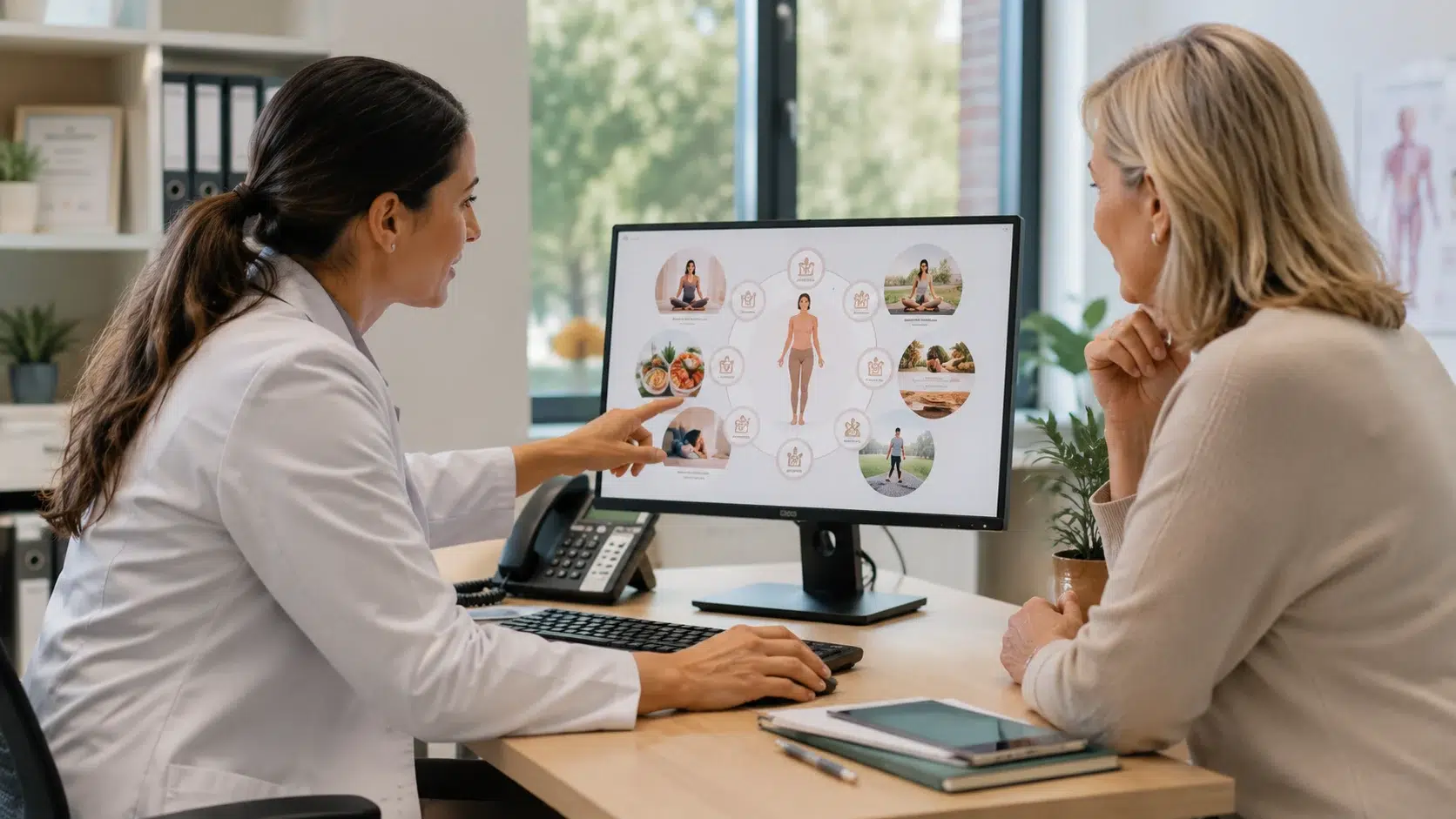
GP consulting with a patient about preventive healthcare and wellness planning
Breast Cancer Screening and Breast Awareness
Mammography Screening
Breast cancer is a very common cancer among women in Australia. To help prevent it, women can get regular screenings, which include mammograms and clinical breast exams.
- Age 40-49: Discuss the benefits and risks of screening with your GP
- Age 50-74: Breast Screen Australia offers free mammograms every 2 years
- Age 75+: Continue screening if you wish, in consultation with your doctor
Breast Self-Awareness
In addition to regular screenings, it’s really important for women to develop breast awareness as part of their preventive healthcare. This involves getting familiar with how your breasts usually look and feel, so you can easily spot any differences. If you notice anything unusual, like a lump, dimpling, discharge, or changes in your skin, be sure to see your doctor right away.
Why Mammography Works
Mammograms have the ability to find breast cancers even before they can be physically detected or start showing any symptoms. Catching these cancers early on really makes a big difference in how well treatment works and a person’s chances of survival. If breast cancer runs in your family or if you have other things that put you at higher risk, your doctor might suggest starting screenings sooner or getting them done more often.
Bowel Cancer Screening
The National Bowel Cancer Screening Program
Colorectal cancer is the second most common cancer among Australian women. Thankfully, preventive health screenings for bowel cancer are very effective at finding pre-cancerous polyps before they turn into cancer.
- The National Bowel Cancer Screening Program provides free screening kits to:
- ·Individuals aged 50-74, who receive a faecal occult blood test (FOBT) every two years.
- Those with a family history of the disease, who might be advised to start screening earlier.
What the Screening Involves
The fecal occult blood test (FOBT) is a simple, at-home test. It checks for tiny amounts of blood in your stool that might signal polyps or other problems. If your FOBT results aren’t normal, your doctor might suggest a colonoscopy to get a closer look.
Why It’s Important
Bowel cancer is largely preventable when caught early. Polyps can be removed before they develop into cancer, and early-stage cancers have much better treatment outcomes.
Heart Health and Blood Pressure Monitoring
Cardiovascular Screening for Women
A lot of women aren’t aware that heart disease is the number one killer of Australian women, claiming more lives than all cancers put together. Getting your heart health checked regularly is a really important part of staying healthy and preventing problems down the track.
Essential checks include:
- Blood Pressure: Should be monitored regularly; aim for less than 120/80 mmHg
- Cholesterol Levels: Typically checked every 4-6 years, or more frequently if you have risk factors
- Blood Sugar Testing: To screen for diabetes, particularly if you’re over 45 or have risk factors
Age-Specific Recommendations
- Age 45+: Have your blood pressure and cholesterol checked at least every 2 years
- Age 35-44: If you have Aboriginal or Torres Strait Islander heritage, begin checks at 35
- Earlier screening: If you have a family history of heart disease, obesity, or other risk factors
Bone Health and Osteoporosis Screening
Why Bone Health Matters for Women
Women are at a considerably greater risk of developing osteoporosis, especially after menopause as oestrogen levels decline. Since osteoporosis can result in fractures and a loss of independence, it’s a crucial aspect of women’s preventive healthcare.
DEXA Scan Screening
A DEXA (dual-energy X-ray absorptiometry) scan measures bone density and can predict fracture risk. The Australian Osteoporosis Society recommends:
- Age 70+: All women should have a baseline DEXA scan
- Age 60-69: Discuss screening with your GP, particularly if you have risk factors
- Earlier screening: If you have risk factors such as long-term corticosteroid use, early menopause, or a family history of osteoporosis
Skin Cancer Screening
Australia’s Skin Cancer Epidemic
Australia has one of the highest rates of skin cancer worldwide. Therefore, regular skin checks are an essential part of women’s preventive healthcare to detect melanoma and non-melanoma skin cancers in their early stages.
What’s Involved
Your GP can do a thorough skin check all over your body, looking at any moles you already have and searching for any new or changing spots. If you’re at higher risk, you might be sent to a dermatologist for closer monitoring.
Self-Monitoring Between Visits
Use the ABCDE rule to monitor your own skin:
- Asymmetry: One half doesn’t match the other
- Border: Irregular or blurred edges
- Colour: Varied shades of brown, black, or other colours
- Diameter: Larger than 6mm
- Evolving: Any changes in size, shape, or colour
Report any concerning changes to your GP promptly.
Mental Health and Wellbeing Screening
A Holistic Approach to Women’s Preventive Health
Taking care of women’s health means looking after their mental and emotional well-being, not just their physical health. It’s common for women to experience depression and anxiety, yet these conditions often go unnoticed.
Regular Mental Health Checks
Your GP can screen for depression and anxiety using validated questionnaires. This is particularly important during:
- Perimenopause and menopause
- Pregnancy and the postpartum period
- Times of significant life stress
Importance of Early Detection
Catching mental health issues early on means people can get help sooner, whether that’s through talking to someone, taking medication, or making changes to their daily habits. For a lot of women, dealing with mental health challenges really makes a difference in how good their life feels overall.
Reproductive Health Screening
Beyond Cervical Screening
Women’s preventive health includes comprehensive reproductive health assessments. Your GP should discuss:
- Sexual health and contraception: Ensuring your current method is still appropriate
- STI screening: Recommended if you have new or multiple partners
- Fertility concerns: If you’re planning pregnancy or experiencing difficulties
- Menopausal symptoms: As you approach or enter this life stage
Regular Check-Ins
Annual health reviews provide an opportunity to discuss reproductive health in detail and adjust your care plan as needed.
Thyroid Function Testing
Why Thyroid Health Matters
Women are three times more likely than men to develop thyroid disease. Both hypothyroidism and hyperthyroidism can have a major effect on a person’s energy levels, metabolism, and mood.
Testing Recommendations
- Age 35 and over: Baseline TSH (thyroid-stimulating hormone) testing
- Earlier testing: If you have symptoms such as unexplained fatigue, weight changes, or mood disturbances
- Family history: If thyroid disease runs in your family, discuss earlier screening
Taking Action: Your Women’s Preventive Health Plan
Personalising Your Screening Schedule
Not every screening is right for every woman. The most important thing is to work with your GP to create a personalized women’s preventive health plan that’s based on:
Your age
- Your personal health history
- Your family’s health history
- Your lifestyle and risk factors
- Any personal concerns you may have
Keeping Records
Maintain a record of:
- When each screening was done
- What the results were
- If any follow-up was suggested
This way, you and your GP can keep an eye on any trends and make sure everything is accounted for.
Final Thoughts
Taking care of your preventive health as a woman is really an investment in your future. When you stay up-to-date with the screenings your doctor recommends and keep the lines of communication open with your GP, you’re actively working to catch potential issues early, avoid serious illnesses, and ensure you can enjoy a good quality of life.
Don’t wait for symptoms to appear. Schedule your preventive health screening today. At Belconnen General Practice, we’re committed to helping you take control of your health through evidence-based, compassionate care
Book an Appointment Now or call us on to discuss which screenings are right for you. Our experienced GPs are here to answer your questions and create a personalised preventive health plan tailored to your needs.
Your health is our priority. Let’s keep you healthy and thriving.